
Common Ground | Neurodivergent & Trauma Therapy Online
Finding the right therapist is about more than availability.
The therapist who feels like the right fit for one person may not be the right fit for someone else — and that’s exactly how it should be.
At Common Ground, every therapist shares the same core values. They’re neurodivergent-affirming, trauma-informed, relational and committed to therapy that feels collaborative rather than hierarchical. What makes them different is how they work, the experience they bring, and the kinds of clients they naturally connect with.
Take your time. Read through the profiles. Notice who you feel drawn towards.
And if you’re not sure, that’s okay too. That’s exactly what our therapist matching process is for. We’ll help you find someone who feels like the right fit for you.
Meet Our Therapists

Tayler Remi
Common Ground Founder & AuDHD Therapist
Neurodivergence and trauma can become deeply intertwined, particularly when you’ve spent years not knowing you’re ADHD, autistic or AuDHD. Tayler works with masking, burnout and identity alongside trauma shaped by childhood, family and relationships, drawing on IFS, parts work and relational therapy.
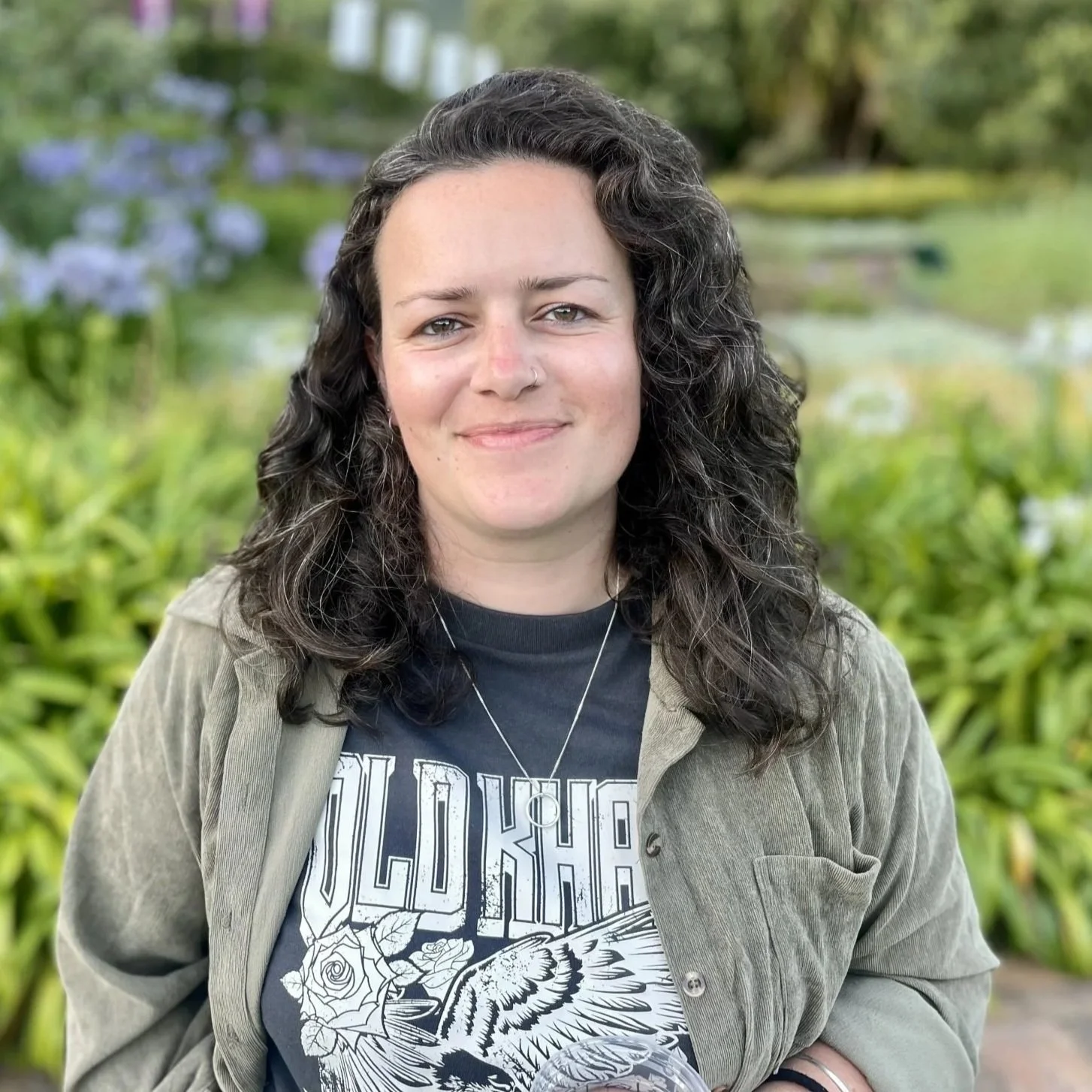
LGBTQ+ & Neurodivergent Therapist
If you’ve spent years masking, or trying to fit in, you might now be exhausted or questioning who you are underneath it all. Fi works particularly with ADHD and AuDHD adults navigating burnout, late diagnosis, identity and self-understanding, alongside LGBTQ+ and queer experiences.
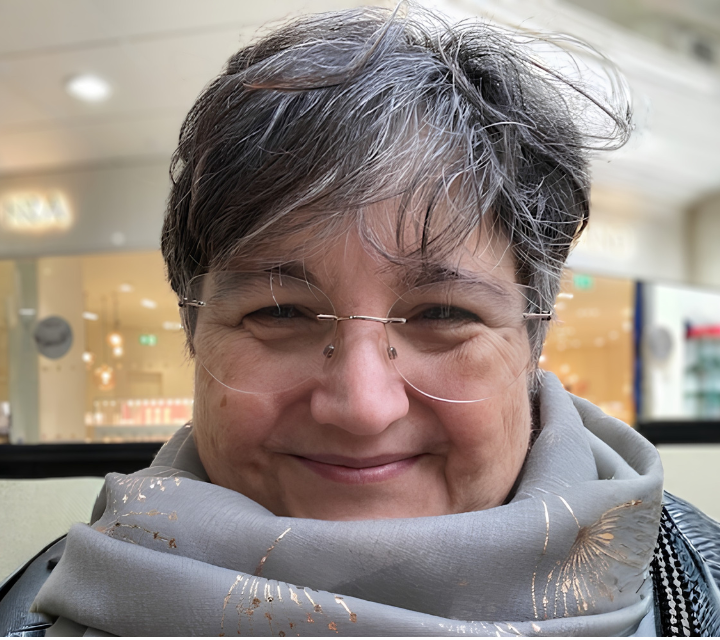
Neurodivergent Therapist & Clinical Supervisor
Therapy shouldn’t require you to adapt yourself to the therapist. Jennifer works particularly with late-diagnosed and self-recognised autistic, ADHD and AuDHD adults navigating identity, disability, chronic illness and accessibility, adapting therapy around individual communication, sensory and processing needs. She also offers clinical supervision.
Jennifer Snow
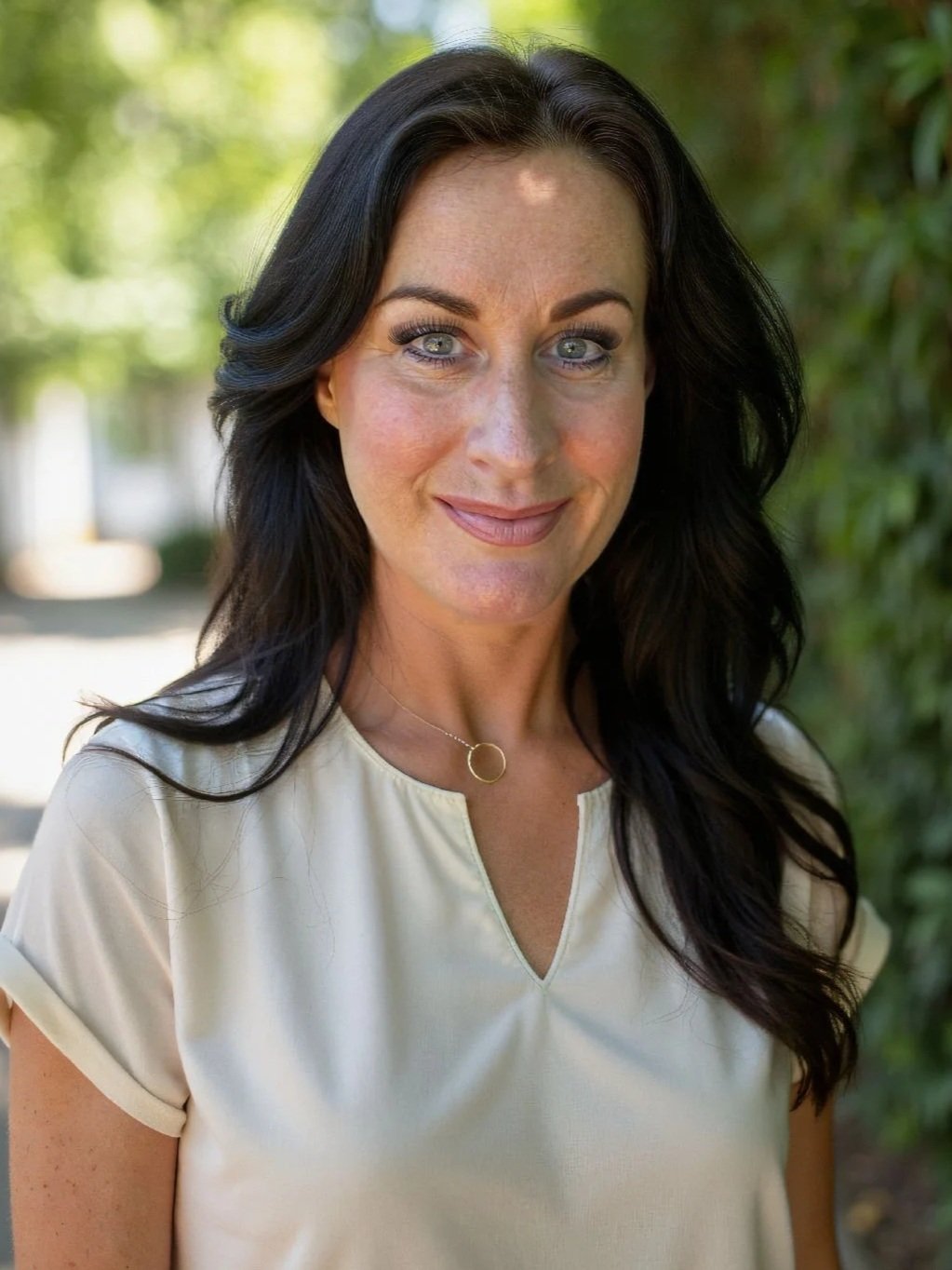
Trauma-informed Therapist for Neurodivergent Adults
You might understand your patterns intellectually and still find yourself people-pleasing, fearing rejection or struggling in relationships. Joanna works with neurodivergent and AuDHD adults navigating attachment wounds, shame and a sense of not feeling good enough, using a relational, somatic and parts-based approach.

EMDR & Complex Trauma Therapist
If the past still feels present in your body, relationships or nervous system, you may be looking for more specialist trauma support. Sharmi works with complex, developmental and attachment trauma, CPTSD and dissociation, using EMDR alongside somatic, parts-based and nervous-system-informed approaches adapted for neurodivergent clients.
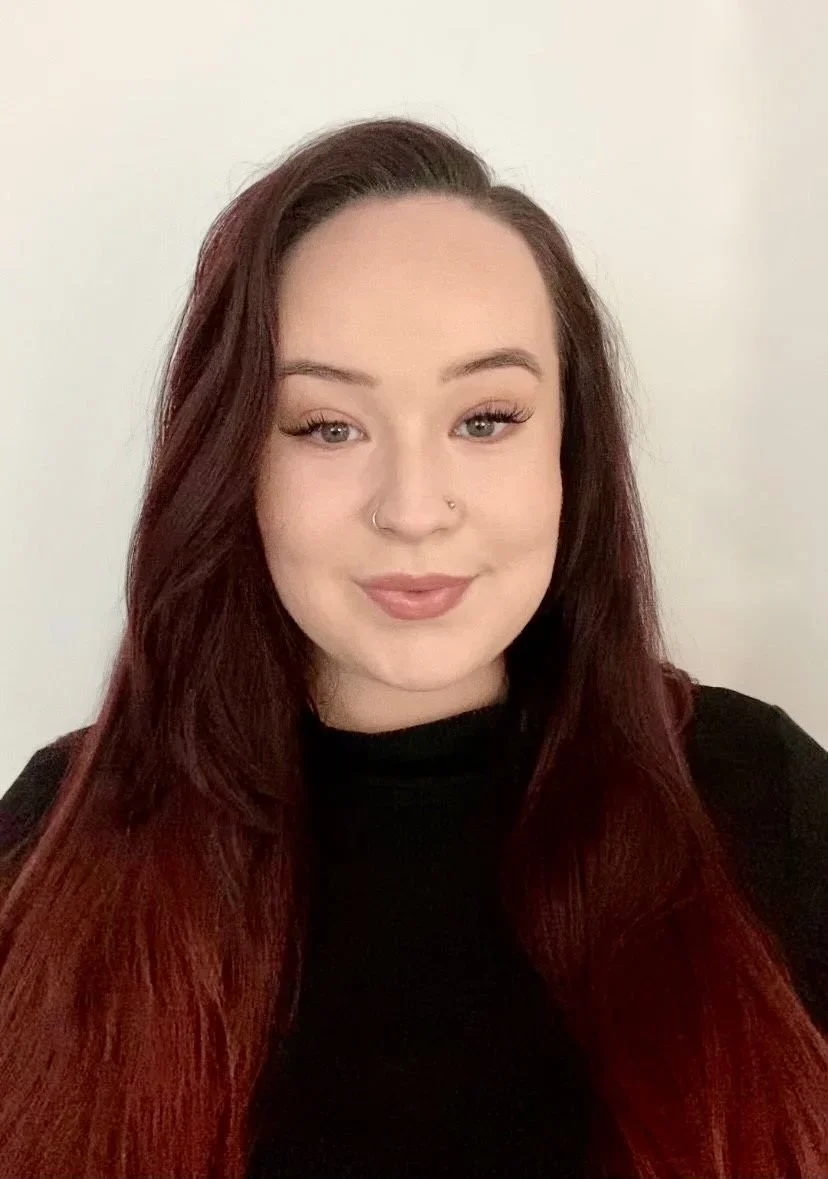
LGBTQIA+ & Neurodivergent Couples Therapist
You can love eachother deeply and still feel stuck in the same cycles. Shannon works with individuals and couples around communication, intimacy, conflict and feeling disconnected, with particular experience supporting neurodivergent and LGBTQ+/GSRD clients, including polyamorous and ethically non-monogamous relationships.
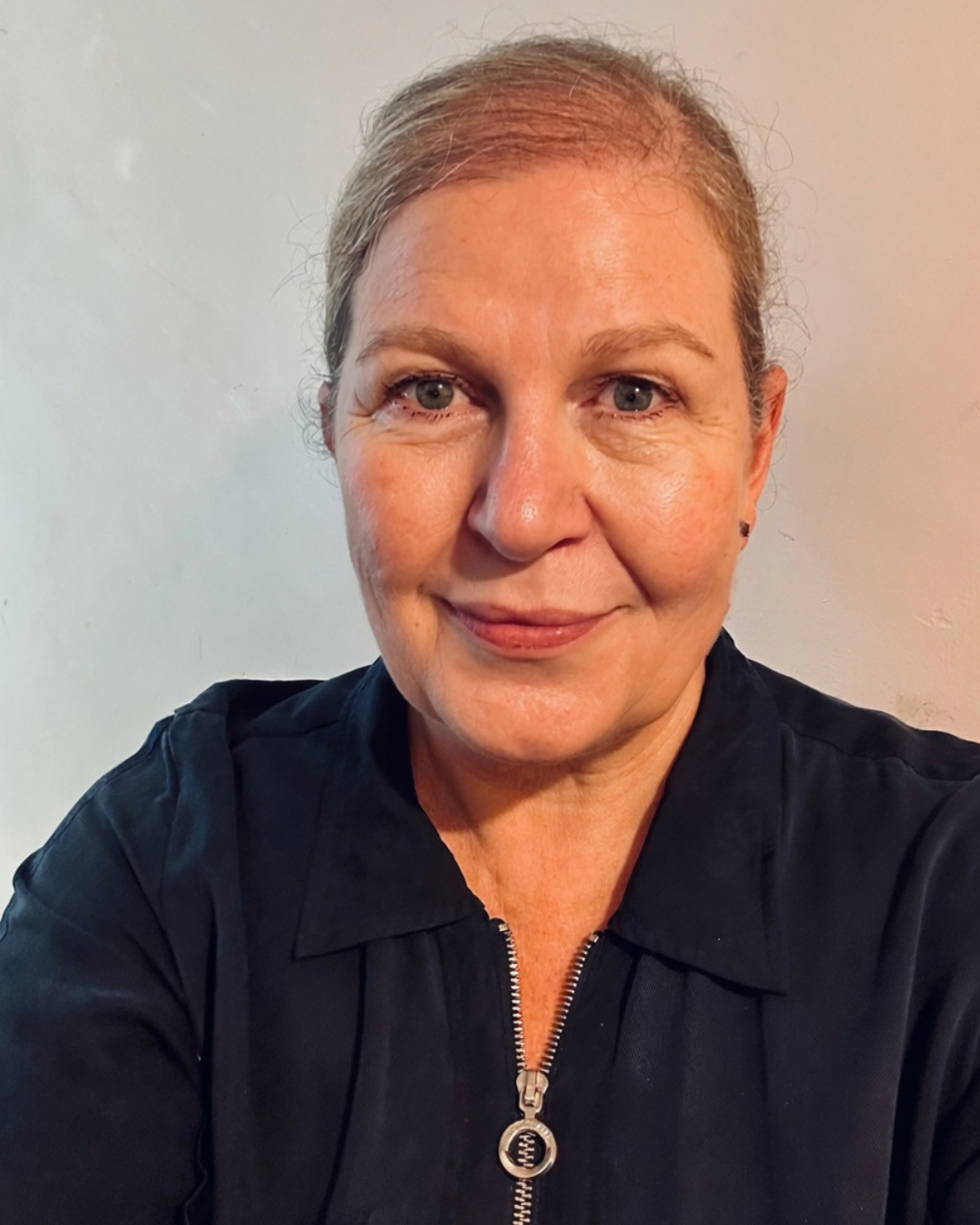
AuDHD & Gestalt Psychotherapist
Gina works with autistic, ADHD and AuDHD adults exploring identity, recurring relationship patterns, boundaries and self-criticism. Her relational, Gestalt-informed approach can be helpful if you understand yourself well intellectually but still feel stuck in familiar patterns, or want to move beyond insight towards meaningful change.
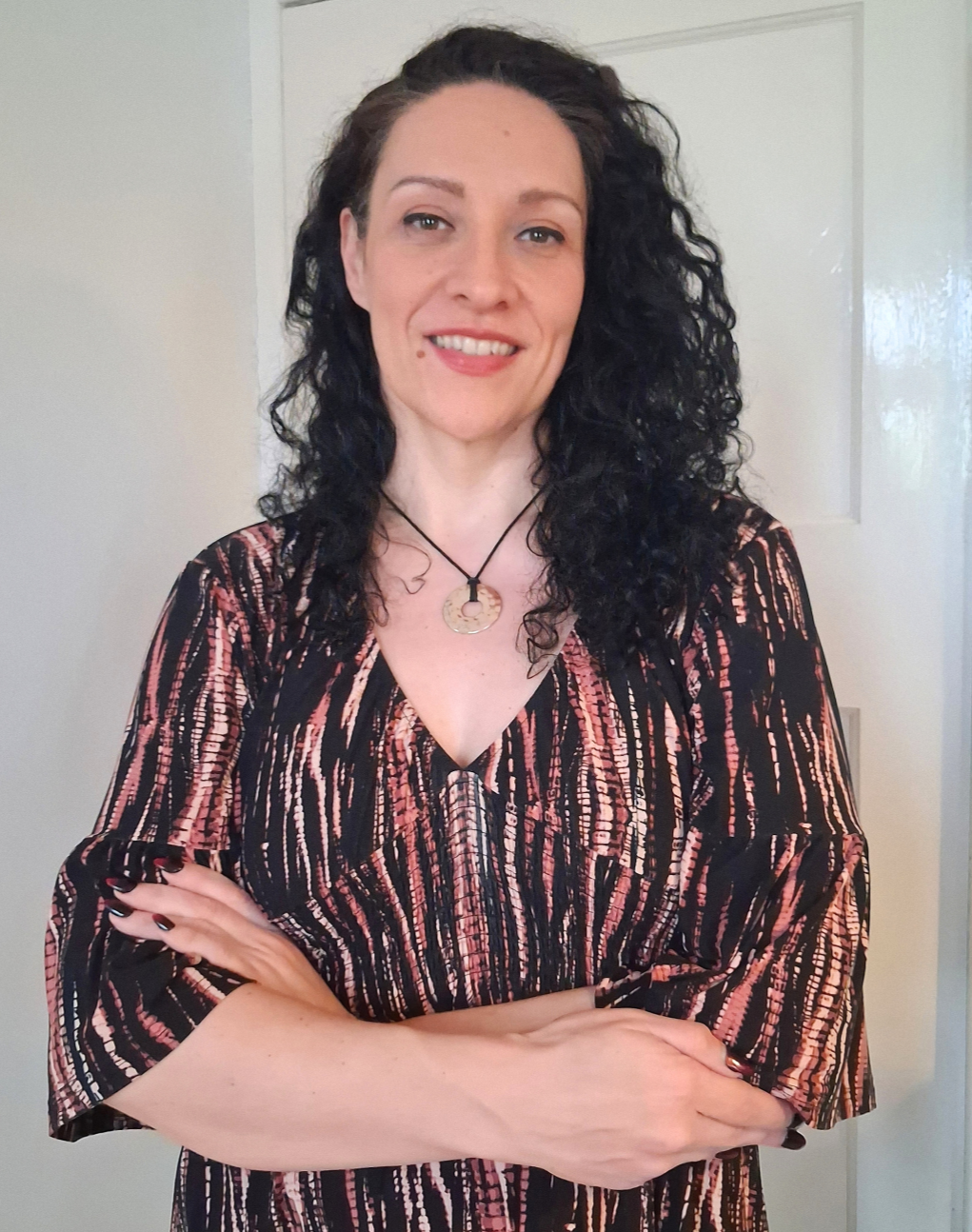
Neurodivergent & Trauma-Informed Therapist
Charlotte works with neurodivergent adults experiencing burnout, executive functioning difficulties and overwhelm, including where work, study or achievement are tied to self-worth. Her person-centred, integrative and trauma-informed approach offers space to understand what is happening without pushing yourself to keep functioning.
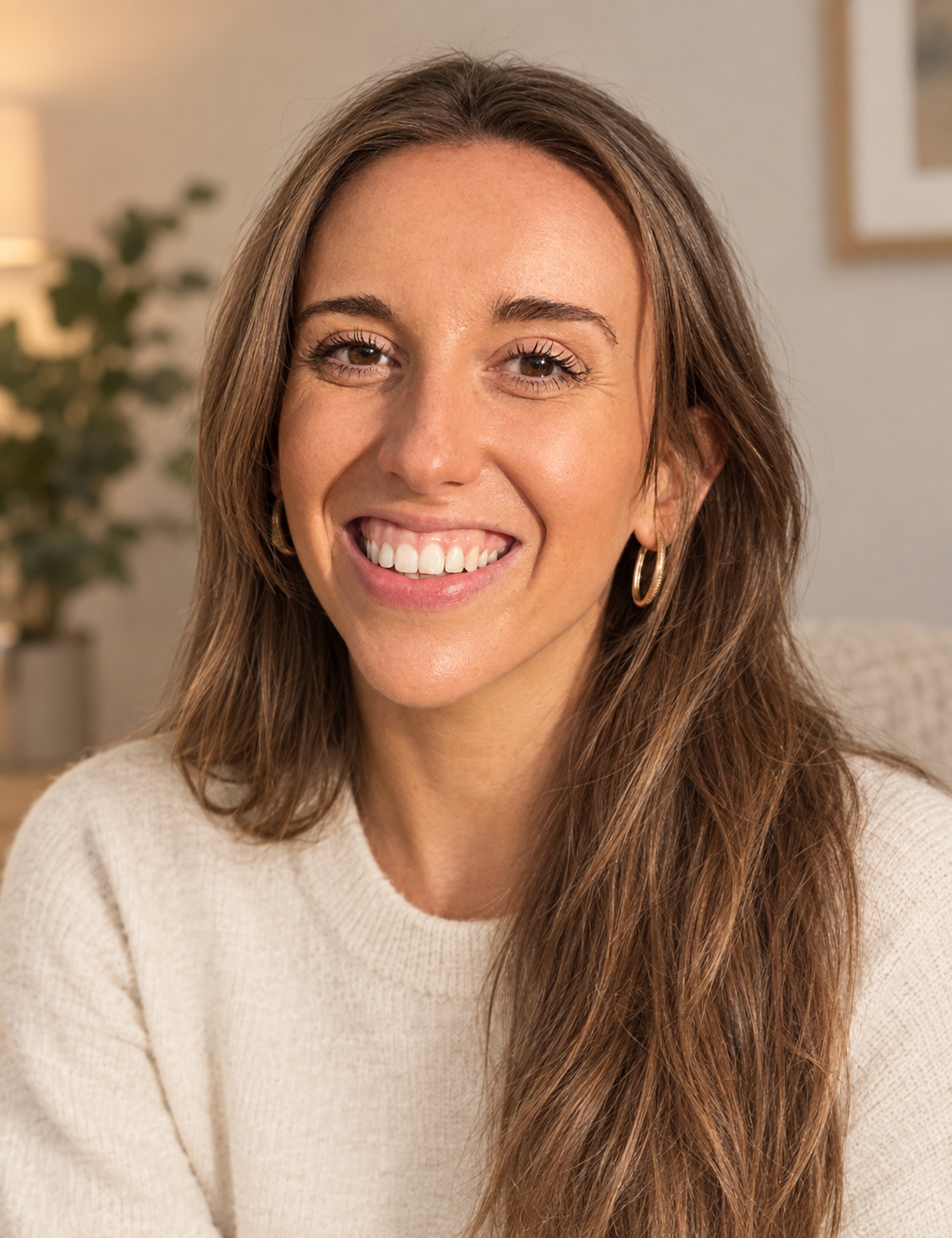
ADHD, Anxiety & Life Transitions Therapist
Lora works with adults navigating ADHD, anxiety, overwhelm and life transitions, including those making sense of themselves before or after an ADHD diagnosis. Her warm, active and person-centred approach helps clients understand patterns, reduce self-criticism and find more sustainable ways of working with themselves rather than against themselves.