Couples Therapy for Neurodivergent, LGBTQ+ & ENM Relationships
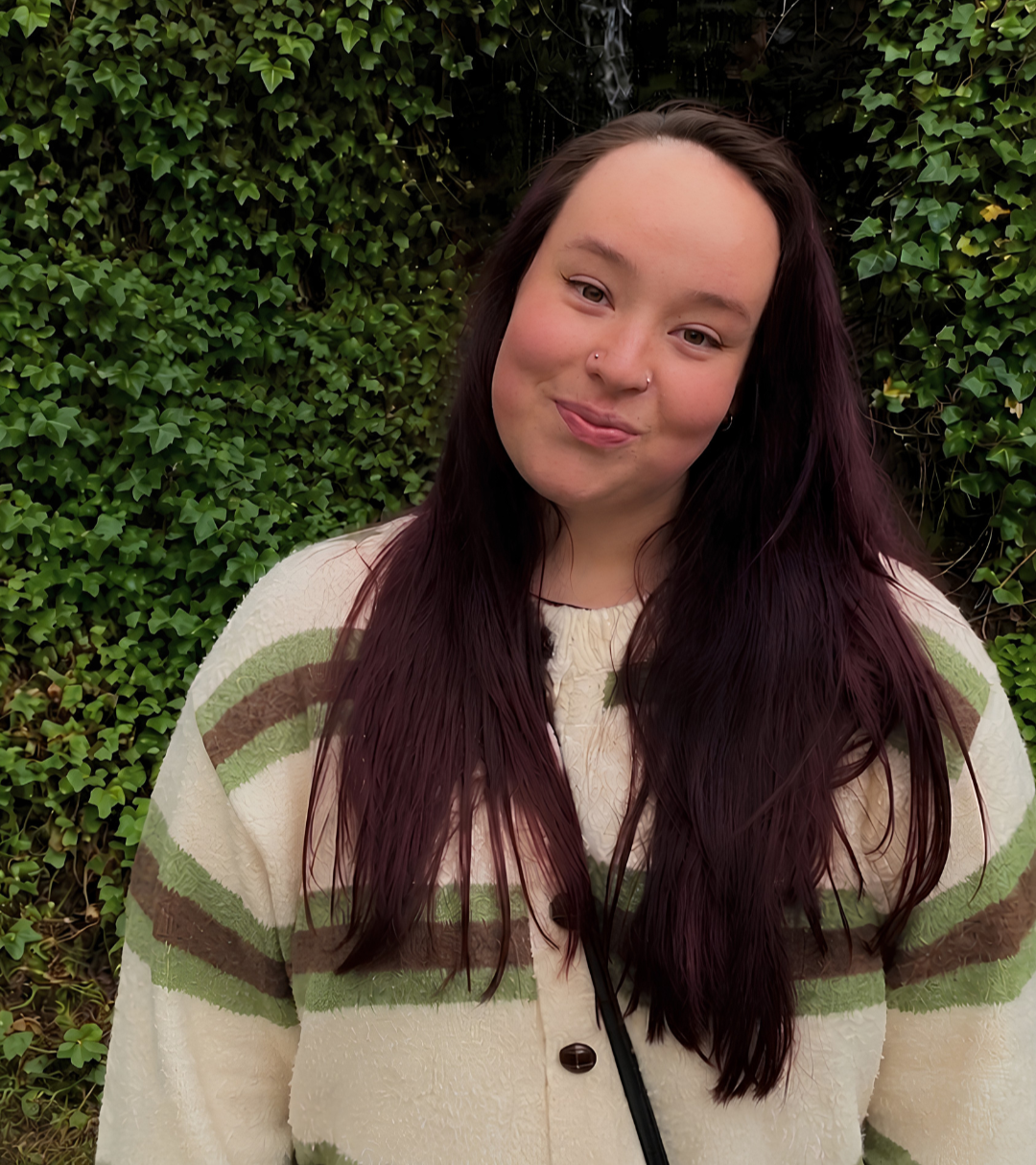
Hi, I’m Shannon. I’m glad you’re here.
Every relationship has its own language, rhythms and ways of being together. I don’t believe therapy should measure yours against somebody else’s idea of what a relationship ought to look like.
Whether you’re neurodivergent or neurotypical, LGBTQ+/GSRD or cishet, monogamous, polyamorous, open or ENM, I want to understand how your relationship works for you, where things have become difficult, and what you both want from here.
You can understand each other better without either of you having to become someone else.
How I Can Support You
I offer online couples therapy and relationship counselling for people who want to understand each other better, change patterns that keep repeating, and feel more connected in the relationship they already have.
I work particularly with couples where one or both partners are neurodivergent, including ADHD, autistic and AuDHD relationships, as well as LGBTQ+/GSRD relationships and people in polyamorous, open, ENM and other consensually non-monogamous relationships.
-
Couples therapy can be useful when something between you feels stuck, strained or harder to talk about than it used to be.
You might be struggling to understand one another, feeling disconnected, navigating a major change, or simply noticing that the relationship no longer feels as easy as it once did. Sometimes couples come because there has been a specific rupture. Other times there is no single event, just a sense that something needs attention.
My role is not to decide who is right. I help you slow things down, understand what is happening between you, and find ways of communicating and relating that feel more workable for both of you.
-
I work with couples where one or both partners are autistic, ADHD, AuDHD or exploring whether neurodivergence may be relevant to their relationship.
Neurodivergent relationships can involve genuine differences in communication, processing, attention, sensory needs, routines or how affection and care are expressed. Those differences can sometimes be misread as rejection, criticism, avoidance or a lack of effort.
In neurodivergent couples therapy, I am interested in helping each person understand what the other is actually communicating rather than deciding that one style is healthier or more correct. The aim is not to make either of you more neurotypical. It is to find ways of relating that work for the people in the relationship.
-
If you keep having the same argument, the subject of the argument is not always the whole story.
Couples can become caught in patterns where each person's response makes sense individually but, together, the responses keep reinforcing the same cycle. You might both leave conversations feeling unheard, defensive or frustrated even when you began by trying to resolve something.
I help couples slow these moments down and become curious about what is happening underneath the conflict. Once you can recognise the pattern together, it often becomes easier to respond differently rather than getting pulled into it automatically.
-
Intimacy is about more than sex. It can include emotional closeness, affection, feeling known by your partner, being able to be vulnerable, and feeling that there is space for your needs within the relationship.
Sometimes intimacy changes gradually. Sometimes it is affected by conflict, trust, stress, neurodivergence, changing circumstances or differences in what each person needs to feel connected.
Therapy can give you space to talk about those differences without assuming there is one correct amount or type of intimacy a relationship should have. Where difficulties are specifically sexual and would benefit from specialist psychosexual therapy, I may recommend additional or alternative support.
-
I work affirmatively with LGBTQ+ and GSRD clients and couples, and I am part of the LGBTQ+ community myself.
Affirming therapy means more to me than simply being accepting. I do not want you to spend your therapy explaining or defending your identity before we can talk about the relationship itself.
I am mindful of the ways gender, sexuality, minority stress and wider social expectations can affect relationships, while also recognising that they may have nothing to do with the thing bringing you to therapy. We can focus on what is actually happening for you rather than treating heterosexual or cisgender relationships as the default.
-
I work affirmatively with people in polyamorous, open, ENM and other consensually non-monogamous relationships.
You may be considering opening a relationship, navigating jealousy, trying to communicate different needs, revisiting boundaries, or finding that an existing arrangement no longer feels quite right for everyone involved.
I do not approach non-monogamy as something that needs to be corrected, and monogamy is not the assumed therapeutic goal. The focus is on understanding what each person needs, whether agreements feel genuinely consensual, and how you can communicate more clearly about the relationship structure you have chosen.
-
I have undertaken additional training in working with relationships after infidelity and betrayal.
When trust has been damaged, couples can find themselves caught between wanting answers, needing reassurance, feeling angry or hurt, and not knowing whether or how the relationship can move forward.
What counts as betrayal can also look different from one relationship to another. In polyamorous, open or ENM relationships, the issue may be less about exclusivity itself and more about agreements, consent, honesty or boundaries being broken. The same applies across LGBTQ+/GSRD relationships, where the meaning of trust and commitment may not fit traditional assumptions.
Therapy offers a place to slow that process down. We can explore the impact of what has happened, what each person needs now, and whether rebuilding trust feels possible. I do not assume that staying together is automatically the right outcome. The work is about helping you understand what has happened and make decisions about what comes next.
About Me
I believe good therapy starts with being genuinely interested in the person in front of you. Not just what has brought you to therapy, but who you are, what has shaped you and how you experience the world.
My own experiences, alongside my training and years of working with neurodivergent and disabled people, have shaped the therapist I am today. They’ve made me particularly interested in difference, identity, accessibility and the importance of not making assumptions about another person’s experience.
-
I work integratively, which means I draw on different approaches depending on the people in front of me rather than expecting every couple to fit the same model.
In couples therapy, I am warm and collaborative, but I am not completely passive. If I notice you getting pulled into the same pattern you describe happening at home, I may slow things down, reflect what I am seeing, or help each of you put words to what is happening underneath the argument.
I am interested in both perspectives without treating one person as the problem. My work is informed by relational and person-centred therapy, attachment, Imago and other integrative approaches, alongside specialist training in neurodivergent, queer and non-monogamous relationships.
Where one or both partners are neurodivergent, I pay particular attention to differences in communication, processing and what each person needs in order to stay engaged. The aim is not to make either of you communicate in a more neurotypical way, but to understand each other more clearly and find approaches that work for your relationship.
If you come to therapy wanting different things, that is something we can work with too. I will not decide for you whether you should stay together, separate or change the relationship. We can make space for both perspectives and understand what each of you is hoping for.
-
I qualified as a psychotherapist in 2020 after completing Level 7 psychotherapy training at Leeds Beckett University, and I am a registered member of the BACP.
Alongside my general psychotherapy training, I have developed a particular focus on couples and relationship work. I work regularly with neurodivergent couples, LGBTQ+/GSRD clients and people in polyamorous, open and other consensually non-monogamous relationships.
I am also part of the LGBTQ+ community myself. I value bringing both professional training and lived understanding to the work, while remembering that no two people or relationships will experience identity, neurodivergence or relationship structure in exactly the same way.
-
Core Qualification
Level 7 Psychotherapy – Leeds Beckett University, 2020
Additional Training & CPD
I regularlyundertake ongoing professional development in areas including:
Couples and relationship therapy
Neurodivergent couples and relationships
LGBTQ+/GSRD-affirming practice
Polyamory, ENM and consensual non-monogamy
Queer relationships
Imago-informed couples work
Relationship conflict and communication
Infidelity and rebuilding trust
Attachment and relational approaches
Integrative psychotherapy
Professional Membership
British Association for Counselling and Psychotherapy (BACP) — Registered Member (384067)
-
Fees
Couples therapy: £95 for 60 minutes
Extended couples therapy: £140 for 90 minutes
Individual therapy: £80 for 60 minutes
A free 20-minute introductory call is available if you would like to get a sense of whether working together feels right before booking.
Availability
I currently have a small number of recurring weekly and fortnightly appointment slots available.
Couples sessions are primarily available on Wednesday and Thursday evenings, with some Saturday availability. I also have a small number of daytime appointments during the week.
If a fixed recurring time is difficult, I can sometimes offer more flexible appointment times depending on availability.
Current spaces can change, so Common Ground will confirm availability when you enquire.
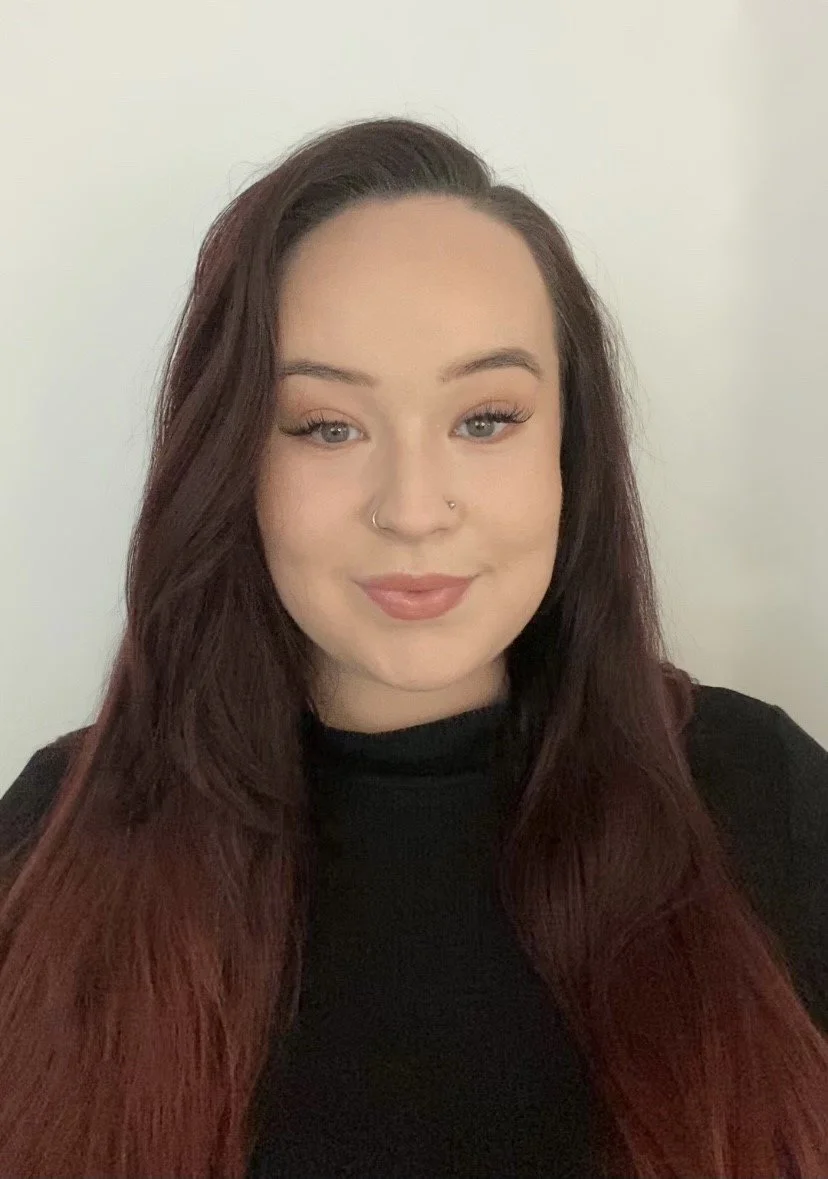
Think Shannon Might Be the Right Therapist for You?
Frequently Asked Questions About Working With Shannon Kelly
-
Shannon Kelly offers online couples therapy and relationship counselling through Common Ground for couples across the UK.
Sessions can focus on communication, recurring conflict, trust, intimacy, disconnection and understanding each other more clearly. Online sessions are available for neurodivergent and mixed-neurotype couples, LGBTQ+/GSRD relationships, and monogamous, polyamorous, open and ENM relationships.
-
Shannon works with neurodivergent and mixed-neurotype couples, including relationships where one or both partners are autistic, ADHD or AuDHD.
The work focuses on understanding differences in communication, processing and relationship needs without treating one person’s neurotype as the problem. Neurodivergent couples therapy can help both partners understand what is happening between them and find ways of relating that work for their particular relationship.
-
A formal autism or ADHD diagnosis is not required to explore neurodivergence within couples therapy with Shannon.
If one or both of you are questioning whether autism, ADHD or AuDHD may be relevant to your relationship, therapy can explore the patterns you are noticing. Shannon does not diagnose within therapy, but can help you think about differences in communication, processing and relationship needs.
-
Couples therapy can help when you keep having the same argument or getting pulled into the same relationship pattern.
Shannon helps couples slow those cycles down and understand what each person is experiencing underneath the conflict. The aim is not to eliminate disagreement, but to recognise the pattern earlier and develop different ways of communicating when it begins.
-
Online couples therapy with Shannon Kelly is collaborative, relational and tailored to the couple.
Sessions explore what has brought you to therapy, the patterns happening between you and what each person wants to understand or change. Shannon may slow a conversation down, reflect a pattern she notices or help each person communicate their experience differently when that would be useful.
-
Shannon’s role in couples therapy is not to decide which partner is right or wrong.
She works to understand both perspectives and what is happening within the relationship between you. This does not mean ignoring the impact of harmful or unhelpful behaviour, but it does mean avoiding positioning one partner as the problem while the other is treated as the solution.
-
Common Ground offers LGBTQ+ and GSRD-affirming couples therapy online with Shannon Kelly.
Shannon works regularly with LGBTQ+/GSRD clients and relationships and is part of the LGBTQ+ community herself. Affirming couples therapy means that your sexuality, gender or relationship structure is not treated as something that needs to be explained, defended or changed before you can focus on the relationship itself.
-
Shannon works affirmatively with polyamorous, open, ENM and other consensually non-monogamous relationships.
Non-monogamy is not treated as the problem and monogamy is not assumed to be the therapeutic goal. Therapy can instead focus on communication, boundaries, trust, jealousy, agreements and changing needs within the relationship structure you have chosen.
-
Couples therapy with Shannon Kelly costs £95 for a 60-minute online session through Common Ground.
Extended 90-minute couples therapy sessions are £140. Shannon also offers a free 20-minute introductory call so you can get a sense of whether working together feels right before booking.
-
You can have couples therapy and individual therapy at the same time, and for some people the two can complement each other really well.
Couples therapy focuses on what is happening between you, while individual therapy gives you space to explore your own patterns, emotions, experiences and needs in more depth.
At Common Ground, your individual therapist would be different from your couples therapist to avoid conflicts of interest and keep each therapeutic relationship clear and separate.
If you would like individual support alongside your couples work with Shannon, you can explore the wider Common Ground team on our Meet the Therapists page.