
Neurodivergent Therapy for Burnout & Executive Functioning
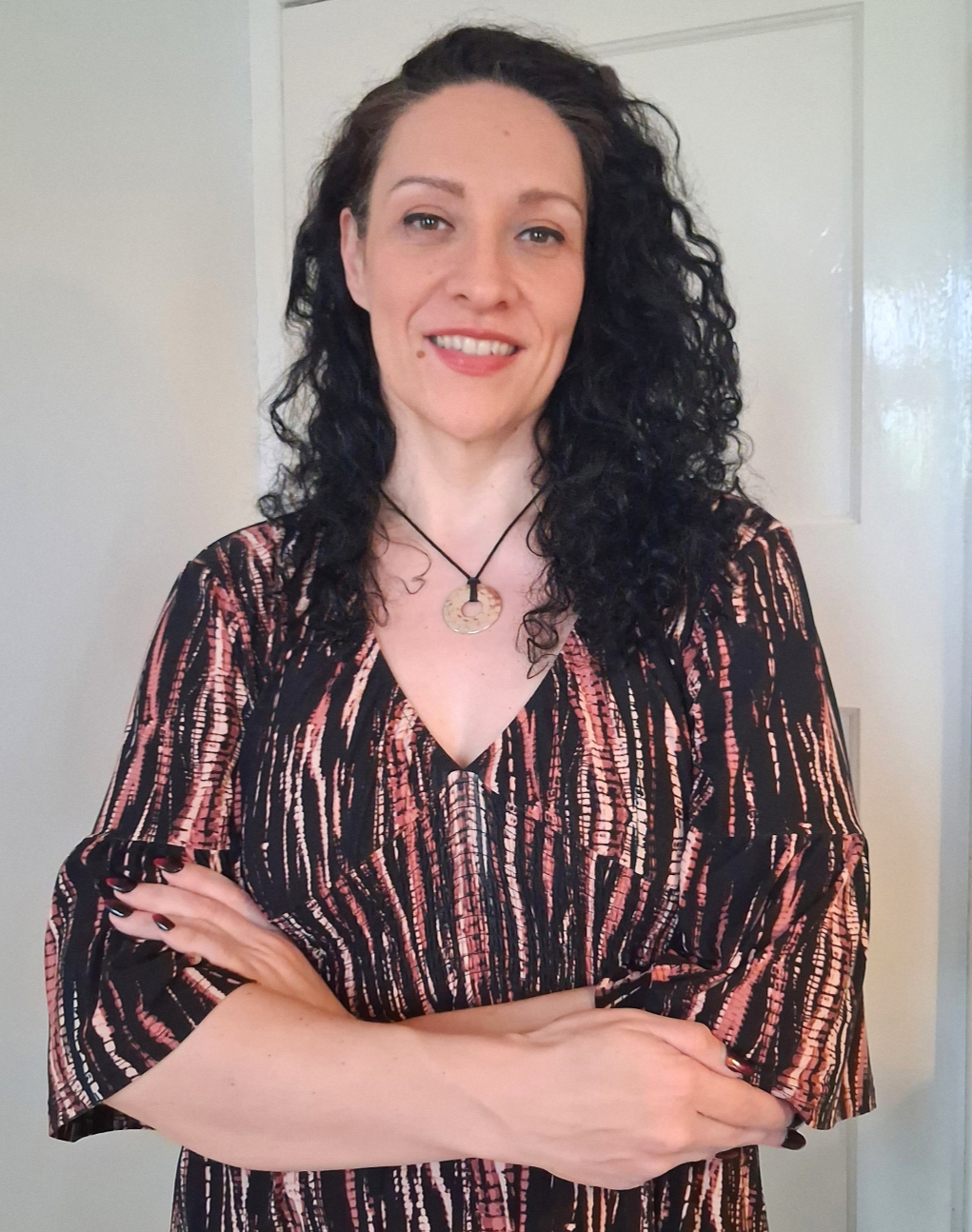
Hi, I’m Charlotte. I’m really glad you’ve found your way here.
If you’re reading this, I’m guessing you’re probably pretty tired. Maybe you’ve spent a long time being the strong one, the capable one, the person who gets things done and somehow keeps pushing through. But lately, it might feel like something has to give.
You may be burnt out, overwhelmed, wondering why things that used to feel manageable now take so much out of you, or starting to realise that the way you’ve been coping just isn’t working anymore.
Therapy can be a place to make sense of those experiences without expecting you to think, fix, or perform your way out of them.
You are allowed to build a life around what actually works for you, rather than one that asks you to use every bit of your capacity just to keep up.
How I Can Support You
If you’re looking for neurodivergent-affirming and trauma-informed therapy, I work with adults who are navigating burnout, executive functioning difficulties, masking, trauma, work or study pressures, perfectionism, self-worth, and the impact of trying to meet other people’s expectations.
These experiences do not happen in isolation. We can look at what is happening for you personally, but also at the relationships, workplaces, systems and earlier experiences that may be shaping how you cope now.
Below, you can read more about the different areas I support with and how we might begin to understand what is going on for you.
-
Burnout can feel like more than being tired. Things you used to manage may suddenly take far more effort, your capacity can feel unpredictable, and even small demands can start to feel overwhelming.
You may find yourself pushing through until you crash, struggling to recover, or wondering why you cannot simply get back to how you used to function.
For autistic, ADHD and other neurodivergent adults, burnout can sometimes build after long periods of masking, adapting, compensating or trying to meet expectations that take more out of you than other people can see.
Therapy can help us understand what has been draining you and what might need to change so that life feels more sustainable.
-
Sometimes you know exactly what needs doing but can’t seem to start. Planning, prioritising, switching between tasks, managing competing demands or keeping track of everyday responsibilities can become exhausting, especially when you are already overwhelmed.
Executive functioning difficulties can bring a lot of shame, particularly if you are used to being capable or dependable. We can explore what makes things harder, what supports you, and how to work with your capacity rather than constantly fighting against it.
-
You may be used to looking like you’re coping, even when it takes a huge amount of effort behind the scenes.
Maybe you keep the overwhelm to yourself, shape yourself around what other people need, and carry on even when you’re already running on empty.
After a while, it can get hard to tell what you need, rather than what will keep everyone else comfortable. Therapy can help you notice those patterns, understand what they have been costing you, and make more room for yourself.
-
For some neurodivergent people, difficult experiences are not separate from their neurodivergence. Years of masking, being misunderstood, feeling “too much” or “not enough”, struggling in environments that do not fit, or repeatedly having needs overlooked can all leave a mark.
Sometimes the parts of you that now feel critical, perfectionistic, people-pleasing or constantly alert developed because they were trying to keep you safe.
We can explore those patterns with curiosity, looking at what they may have been protecting you from and whether they still need to work quite so hard now.
-
Work or study can become deeply tied to how you see yourself.
You may have built a career you care about, worked hard to get where you are, and now feel frightened or ashamed that you cannot function in the same way. Or perhaps you are navigating workplace expectations, reasonable adjustments, masking professionally, or the pressure to perform in environments that do not always understand neurodivergence.
Therapy can give us space to separate your sense of worth from how well you are performing, understand what your environment is asking of you, and think about what might make work or study feel more sustainable.
-
If you’re used to being bright, capable, high-achieving, or someone who can do difficult things really well, it can be especially confusing when other things feel disproportionately hard.
You might be able to think deeply, solve complex problems, or perform at a high level, while still struggling with organisation, energy, consistency, rest, or everyday demands. That mismatch can easily turn into self-criticism, or a painful sense that you are somehow not living up to your potential.
We can explore where those expectations came from, what “potential” has come to mean for you, and how to build a sense of worth that is not so dependent on being impressive, productive, or endlessly capable.
About Me
-
I am a person-centred and integrative psychotherapist, so I do not work from a fixed programme or assume there is one “right” way to think, feel or function. Therapy is shaped around you, what matters to you, and what we begin to notice together.
Depending on what feels helpful, I may draw on Compassion Focused Therapy, CBT-informed approaches, parts work, IFS-informed therapy, inner-child work and two-chair work. I work in a neurodivergent-affirming and trauma-informed way, with attention to pacing, safety and the experiences that may still be shaping how you cope now.
I’m especially drawn to parts work. We might notice one part of you that wants to slow down while another keeps pushing, or a part that has learned to measure your worth by what you can manage or achieve. Rather than trying to get rid of those parts, we can get curious about what they have been doing for you.
This can be especially helpful if you already understand yourself very well intellectually but still feel stuck. Therapy can give us another way in, helping you move beyond analysing the same patterns and towards a fuller sense of what you need, what matters to you, and how you want to live.
-
Before becoming a full-time psychotherapist, I worked in corporate wellbeing and professional environments, including with Sainsbury’s, Argos, law firms, banks and other organisations. I also collaborated on projects focused on neurodiversity in the legal sector, including work contributing to award-winning workplace guidelines.
That experience gave me a strong understanding of workplace pressure, burnout, professional identity and the ways neurodivergence can interact with demanding environments.
I have also worked in mental health and substance misuse settings, including charities and GP surgeries, which has given me experience supporting people with a wide range of difficulties.
My career has not been completely linear either. I originally studied law before moving through wellbeing and mental health work into psychotherapy, so I also understand something of career change, identity shifts and finding a way of working that feels more sustainable.
-
Core Qualifications
MSc Counselling and Psychotherapy — University of Salford
Postgraduate Diploma in Counselling and Psychotherapy (Level 7) – University of Salford
Postgraduate Certificate in Counselling Skills – University of Salford / Salford Professional Development
Additional Training & CPD
I have undertaken a range of additional training and CPD to keep developing my practice, including:
Working with Neurodivergent Clients: An Introduction to the RNIF Framework
Applying the Internal Family Systems Therapy Approach (IFS)
Using Compassion-Focused Therapy for Trauma
Introduction to CBT-Informed Practice
Inner Child / Russian Doll Workshops
Two-Chair Work
Working Therapeutically with Trans and Non-Binary People
Applying Trauma-Informed Techniques in Legal Education
Working with Adoption
Advanced Safeguarding for Adults
COM-B Model of Behavioural Change
I have also completed further CPD relating to culture and mental health, gender and sexuality, sleep, eating disorders, psychosis, hearing voices, hoarding behaviours and psychiatric medication.
Professional Membership
British Association for Counselling and Psychotherapy (BACP) — Accredited Member (394328)
-
Fees
Individual therapy is £80 for a 60-minute session and can be arranged either weekly or fortnightly.
A free 20-minute introductory call is available if you would like to get a sense of whether working together feels right before booking.
Availability
I currently have a small number of recurring weekly and fortnightly appointments available.
My main Common Ground availability is on Mondays between approximately 10.00am and 2.00pm, with some additional weekday daytime availability occasionally possible.
Current spaces can change, so Common Ground will confirm availability when you enquire.
Think Charlotte Might Be the Right Therapist for You?
Frequently Asked Questions About Working With Charlotte Clegg
-
Yes. Charlotte works with ADHD, autistic and AuDHD adults, as well as people who are exploring whether neurodivergence may be part of their experience.
Therapy can include burnout, masking, executive functioning difficulties, overwhelm, self-worth and the impact of trying to meet expectations that may not fit the way you naturally function.
-
Charlotte works with neurodivergent adults experiencing burnout, exhaustion and overwhelm, including people who feel they have lost capacity for things they previously managed.
Therapy might explore the impact of masking, pushing through, executive functioning difficulties, work or study demands, perfectionism and the pressure to keep functioning.
The aim is not simply to make you productive again, but to understand what has contributed to burnout and what you may need to live and work more sustainably.
-
Executive dysfunction can affect starting tasks, planning, prioritising, switching between tasks, managing competing demands and translating what you know you need to do into action.
Therapy can help you understand how executive functioning difficulties interact with neurodivergence, burnout, overwhelm, shame or self-criticism.
This is not executive-function coaching. Instead, therapy offers space to understand the barriers you are experiencing and find ways of working with your brain rather than continually fighting against it.
-
Yes. Charlotte works in a trauma-informed way, taking account of safety, capacity and the ways people may have learned to cope or protect themselves through difficult experiences.
Therapy can create space to explore shame, self-criticism and protective patterns at a pace that feels manageable, without assuming that every difficulty is caused by trauma.
All therapists at Common Ground work from a trauma-informed perspective, alongside a shared commitment to neurodivergent-affirming care.
Charlotte’s approach is also neurodivergent-affirming, so ADHD, autistic and other neurodivergent ways of thinking, communicating or functioning are not automatically treated as problems that need to be changed.
-
Charlotte is a BACP-accredited, person-centred and integrative psychotherapist.
Her work can draw on Compassion Focused Therapy, parts work, Internal Family Systems-informed approaches, inner-child work and other experiential approaches, depending on what feels useful for you.
Rather than following one fixed programme, therapy is collaborative and can be adapted around your needs, preferences and ways of processing.
-
Parts work is a way of exploring different aspects of ourselves that may have different feelings, needs or ways of responding. For example, one part of you might feel driven to keep achieving while another feels exhausted and wants to stop.
Charlotte may draw on parts work and Internal Family Systems-informed approaches to help you become curious about these different responses rather than judging or trying to get rid of them. This can be particularly useful when you understand a pattern intellectually but still find yourself feeling or responding in the same way.
-
Yes. Work can be an important part of therapy, particularly where neurodivergence, executive functioning difficulties, masking, professional pressure or burnout are involved.
Before becoming a full-time psychotherapist, Charlotte worked in corporate wellbeing and professional environments, including with Sainsbury’s, Argos, law firms, banks and the Legal Neurodiversity Network.
That experience informs her understanding of neurodiversity in the workplace, workplace burnout, professional identity and the pressure to keep performing.
-
Therapy can help you explore what happens when your sense of worth becomes closely connected to what you achieve, produce or manage.
This can become particularly painful during burnout or periods of reduced capacity, especially if being capable, productive or successful has become an important part of how you understand yourself.
The work might include exploring perfectionism, self-criticism, shame, expectations and professional identity, while making space for a sense of self that is not dependent on how much you accomplish.
-
No. You do not need a formal ADHD or autism diagnosis to work with Charlotte or to explore neurodivergence in therapy.
She works with diagnosed and self-identifying neurodivergent adults, as well as people who are beginning to question whether ADHD, autism or another form of neurodivergence might help them understand their experiences.
Therapy with Charlotte is not an ADHD or autism diagnostic assessment.
-
Charlotte works affirmatively with LGBTQ+ and GSRD clients, including people exploring sexuality, gender, identity and relationships.
Her approach is based on curiosity rather than assumptions, with space to explore how neurodivergence, gender, sexuality, work, family and other parts of your identity may intersect.
Common Ground is an LGBTQ+ and GSRD-affirming practice, and all therapists are expected to work inclusively and respectfully with different identities and relationship experiences. You can read more here about Common Ground’s values and approach.