
Relational Trauma-Informed Therapist for Neurodivergent Adults
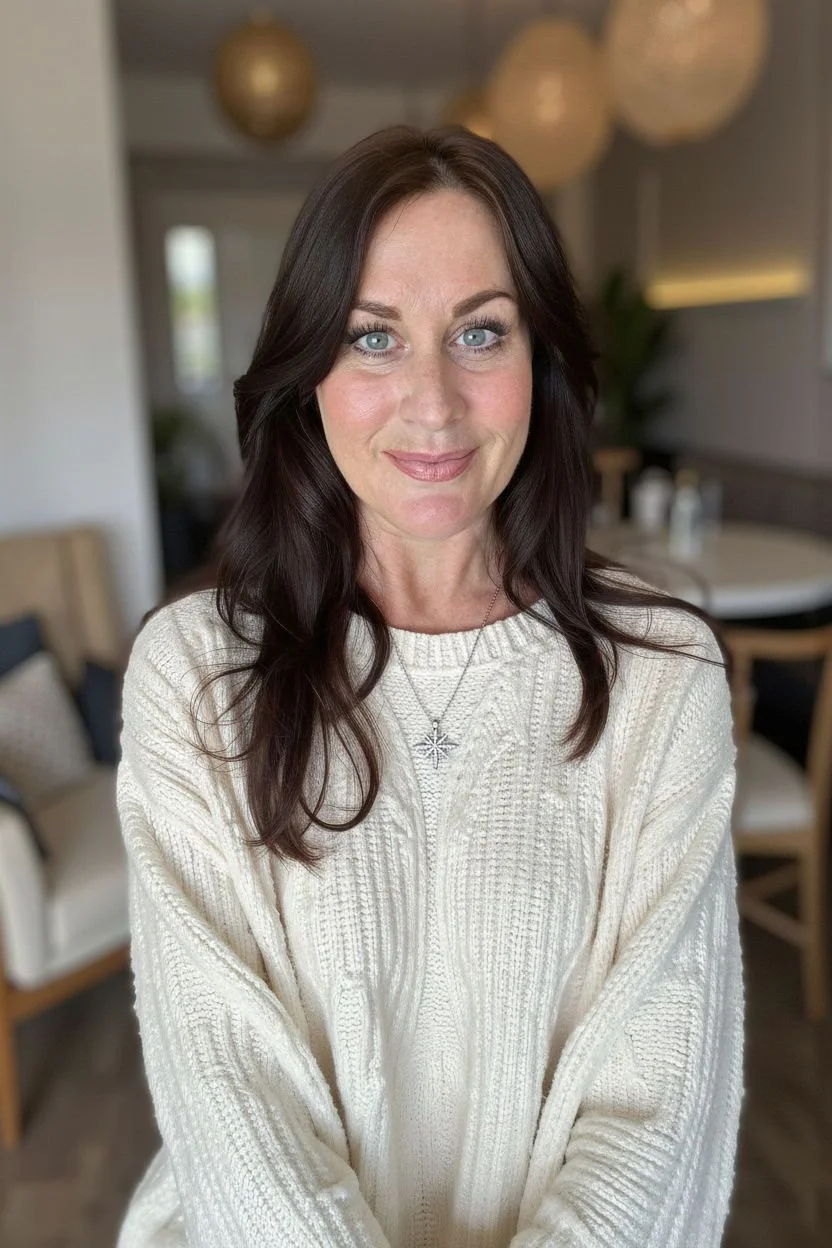
Hi, I’m Joanna. I’m really glad you’ve found your way here.
You might understand why you feel the way you do and still find yourself people-pleasing, fearing rejection, being hard on yourself, or struggling in your relationships, friendships or at work.
These ways of coping often developed for a reason. They may have helped you feel safe, accepted or connected at some point, even if they are making life harder now.
Together, we can begin to understand what is happening beneath the surface, make sense of where these responses come from, and explore different ways of relating to yourself and the people around you.
Every part of you has a story. Therapy gives us somewhere to listen to it.
How I Can Support You
People come to therapy for all sorts of reasons. You might be struggling with anxiety, low mood, relationships, identity, self-esteem or a difficult period in your life — or you might be trying to understand patterns that have been with you for much longer.
I work particularly with AuDHD and neurodivergent adults, with a focus on attachment, childhood and relational trauma, shame, low self-worth and emotional overwhelm.
We can start with what feels difficult now and begin making sense of the connections together.
-
Our experiences of closeness, safety, rejection and connection can shape the way we relate to ourselves and other people.
As an adult, this might show up as people-pleasing, fear of rejection or abandonment, difficulty trusting, struggling to set boundaries, feeling responsible for other people’s emotions or losing yourself in relationships.
You might long for connection but feel uncomfortable when someone gets too close, or notice the same difficulties appearing across romantic relationships, friendships or at work.
Through attachment-focused and relational therapy, we can begin to understand where these patterns come from, what they may have helped you navigate in the past, and explore different ways of relating to yourself and others.
-
Trauma isn’t always one identifiable event.
Sometimes it develops through what happened repeatedly — or through what you needed and didn’t receive. Growing up around unpredictability, criticism, emotional disconnection, rejection or relationships where you had to adapt yourself can leave patterns that continue long after the original circumstances have changed.
Childhood, developmental and relational trauma can affect your nervous system, relationships, self-worth and the ways you respond when something feels unsafe.
My approach to complex trauma therapy is relational and paced around you, with space to understand how earlier experiences may still be showing up in the present.
-
You might be able to offer compassion to everyone except yourself.
Mistakes may feel disproportionately painful. You might replay conversations, worry you’ve upset someone, struggle with criticism or rejection, or carry a persistent sense of not feeling good enough.
For some people, emotions arrive intensely and quickly. For others, shutting down or disconnecting became a way of coping.
Therapy can help us understand what sits underneath shame, low self-worth, self-criticism and emotional overwhelm, and begin developing a different relationship with yourself.
-
I believe therapy is first and foremost a relational process. Feeling safe, understood and genuinely seen can create the space to explore things that may have felt difficult to understand or change on your own.
Sometimes you can understand something intellectually and still find yourself reacting in ways you don’t fully understand — becoming overwhelmed, shutting down, people-pleasing, fearing rejection or being hard on yourself.
I draw on somatic therapy and IFS-informed parts work to help us understand what is happening emotionally, mentally and in your body. We can become curious about these responses rather than judging them, exploring what they may be communicating, what they have learned from your experiences and what you might need now.
These approaches can be particularly helpful when exploring shame, self-criticism, attachment, childhood experiences and inner-child wounds. I introduce them when they feel useful, within the safety of the therapeutic relationship and at your own pace.
If you’re curious about this way of working, you can read our guide to Internal Family Systems (IFS) therapy and parts work.
-
Being neurodivergent doesn’t exist separately from everything else you’ve experienced.
You may have spent years hearing that you’re lazy, disorganised, too sensitive or simply not trying hard enough. Over time, those messages can become part of how you see yourself.
If you grew up without knowing you were ADHD, autistic or AuDHD, experiences of being misunderstood, masking your needs or trying to fit expectations can become tangled up with self-worth, rejection, relationships and identity.
We can explore how your brain works, what gets in your way and what genuinely helps — rather than finding another set of rules you’re supposed to force yourself to follow.
A diagnosis — or recognising yourself as neurodivergent without one — can also change the way you understand your past. Therapy can give you space to explore what that understanding means for who you are now and what you need moving forward.
I also work with many women and people assigned female at birth who are recognising ADHD, autism or AuDHD later in life, particularly where years of masking, adapting or being misunderstood have shaped the way they see themselves.
If this feels familiar, you can also read more about ADHD in women, masking and late diagnosis.
About Me
For me, therapy is about getting curious about the things that don’t always make sense from the outside. Often, when we understand what’s underneath a response or pattern, we can begin to relate to ourselves with a little more compassion — and have more choice in what happens next.
-
I work integratively, which means I adapt therapy to the person rather than expecting everyone to fit one model.
At the heart of my work is a curiosity about what sits underneath a pattern — what it may be protecting, where it came from, and what keeps it going. Depending on what feels useful, I may draw on IFS-informed parts work, attachment-focused therapy, somatic awareness, person-centred therapy, Gestalt and Transactional Analysis.
My work is collaborative, trauma-informed, neurodivergent-affirming and LGBTQ+/GSRD-affirming. I bring both professional and lived understanding to my work with ADHD, autistic and AuDHD adults, and I aim to create space for different ways of communicating, processing and making sense of things.
You get to define your own experience. Therapy can adapt around you rather than asking you to mask or fit someone else’s idea of how healing should look.
-
I didn’t come to therapy because I had everything figured out. I came to it because, at times, I struggled deeply and needed to understand myself in a way I had never been able to before.
My own therapeutic work required me to face parts of myself I had spent years avoiding, understand where my ways of coping came from, and learn to meet myself with greater compassion and acceptance.
That experience is central to how I work today. I don’t believe a therapist can take someone somewhere they have not been willing to go themselves. I have done, and continue to do, that work in my own life.
I’m also AuDHD. I don’t assume my experience mirrors anyone else’s, but it has given me a personal understanding of masking, burnout, rejection sensitivity and what it can feel like to spend years adapting yourself to fit the world around you.
That journey still shapes the way I work now: with curiosity, compassion, and an interest in helping people feel more connected to who they are rather than who they’ve learned they need to be.
-
Core Qualification
BSc (Hons) Humanistic Counselling – Middlesex University
Diploma in Humanistic Counselling – Metanoia Institute
Additional Training & CPD
My additional training includes:
Somatic Therapy for CPTSD
Attachment-Focused EMDR
Trauma, Attachment & Neuroscience
Internal Family Systems (IFS) Masterclass
Trauma-informed parts work
Working with Autism
Polyvagal Theory
Psychodrama and group therapy
Jungian Shadow Work & Integration
Aquatic Therapy
Professional Membership
Registered Member of the British Association for Counselling and Psychotherapy (MBACP)
-
I offer online individual therapy for adults, with sessions available weekly or fortnightly.
FeesIndividual therapy: £80 per 50-minute session
Current availability: Some availability Tuesday–Friday mornings
Accepting new clients: Yes
Where possible, I recommend beginning with weekly sessions, particularly at the start of therapy, as this gives us time to build the therapeutic relationship, establish trust and create continuity in the work.
As therapy progresses, we can review the frequency together and consider whether a fortnightly rhythm would better suit your needs.
Think Joanna Might Be the Right Therapist for You?
Frequently Asked Questions About Working With Joanna King
-
Internal Family Systems (IFS) therapy is a way of understanding the different “parts” of ourselves that can develop around our experiences. You might recognise a critical part, a people-pleasing part, a part that fears rejection, or a part that wants to withdraw when relationships feel unsafe.
Joanna uses IFS-informed parts work to explore these responses with curiosity rather than treating them as something that needs to be removed. The aim is to understand what different parts may be protecting and develop a more compassionate relationship with yourself.
You can also explore Internal Family Systems (IFS) therapy in more depth, including how parts work can be used with trauma, attachment and neurodivergence.
-
Parts work explores the different feelings, beliefs and protective responses that can exist within us at the same time. For example, one part of you might want closeness while another is frightened of being hurt, or you might know intellectually that you are good enough while another part remains deeply self-critical.
Joanna uses parts work particularly when exploring trauma, attachment, shame, self-worth and relationship patterns.
-
Parts work can be particularly useful when experiences from childhood continue to affect how you feel about yourself or relate to other people as an adult.
Joanna works with childhood, developmental and complex trauma, using IFS-informed parts work alongside attachment-focused, relational and somatic approaches. Therapy focuses on understanding how earlier experiences may still be shaping your responses in the present.
-
Attachment-focused therapy explores how experiences of closeness, safety, care and rejection can shape the way we relate to ourselves and other people.
Attachment difficulties can show up as people-pleasing, fear of rejection or abandonment, difficulty trusting, struggling with boundaries, pulling away from closeness or losing yourself in relationships. Joanna works with these patterns without treating them as personal failings, instead exploring how and why they developed.
-
Yes. Joanna works extensively with ADHD, autistic and AuDHD adults, including people diagnosed or recognising their neurodivergence later in life.
Therapy can provide space to explore masking, burnout, rejection sensitivity, identity, relationships and the experience of looking back at your life through a new understanding of yourself. You do not need a formal diagnosis to work with Joanna.
-
Yes. Neurodivergence, attachment and trauma can overlap in complex ways. ADHD, autistic and AuDHD people may grow up experiencing misunderstanding, rejection, masking or pressure to behave differently, which can shape self-worth and relationships.
Joanna has a particular interest in this intersection, exploring how ADHD, autism and AuDHD can interact with attachment, trauma and relationship patterns without assuming that neurodivergence itself is the problem.
-
Discovering you’re ADHD or AuDHD later in life can change the way you understand your past. Experiences previously interpreted as being too sensitive, disorganised, difficult or “not trying hard enough” may begin to make sense differently.
Joanna works with late-diagnosed ADHD and AuDHD adults exploring identity, masking, self-worth, relationships and the emotions that can come with looking back at earlier experiences through a new lens.
-
Yes. People-pleasing, persistent shame and low self-worth can sometimes be connected to earlier experiences of relationships, attachment, rejection or having to adapt yourself to feel accepted.
Rather than simply trying to stop these behaviours, Joanna’s approach explores what sits underneath them and what they may have been protecting you from, while supporting you to develop a more compassionate relationship with yourself.
-
Yes. Joanna offers neurodivergent-affirming therapy for ADHD, autistic and AuDHD adults.
This means neurodivergence itself is not treated as something that needs to be fixed. Therapy can adapt around different ways of communicating, processing and experiencing the world, with space to explore masking, identity and what works for you as an individual.
-
Yes. Joanna works affirmatively with LGBTQ+/GSRD clients, including trans and non-binary people and those exploring gender, sexuality and relationship diversity.
Her approach is based on curiosity rather than assumptions, allowing clients to define their own identities, relationships and experiences.
-
es. Joanna offers online therapy for adults using IFS-informed parts work, alongside attachment-focused, relational and somatic approaches. She works particularly with childhood and relational trauma, attachment, shame and neurodivergence.
Joanna currently offers weekly sessions on Tuesday and Wednesday mornings from 7am–11am, with some fortnightly availability on Thursday and Friday mornings from 7am–9am.