
Neurodivergent, Disability & Accessibility-Affirming Therapist
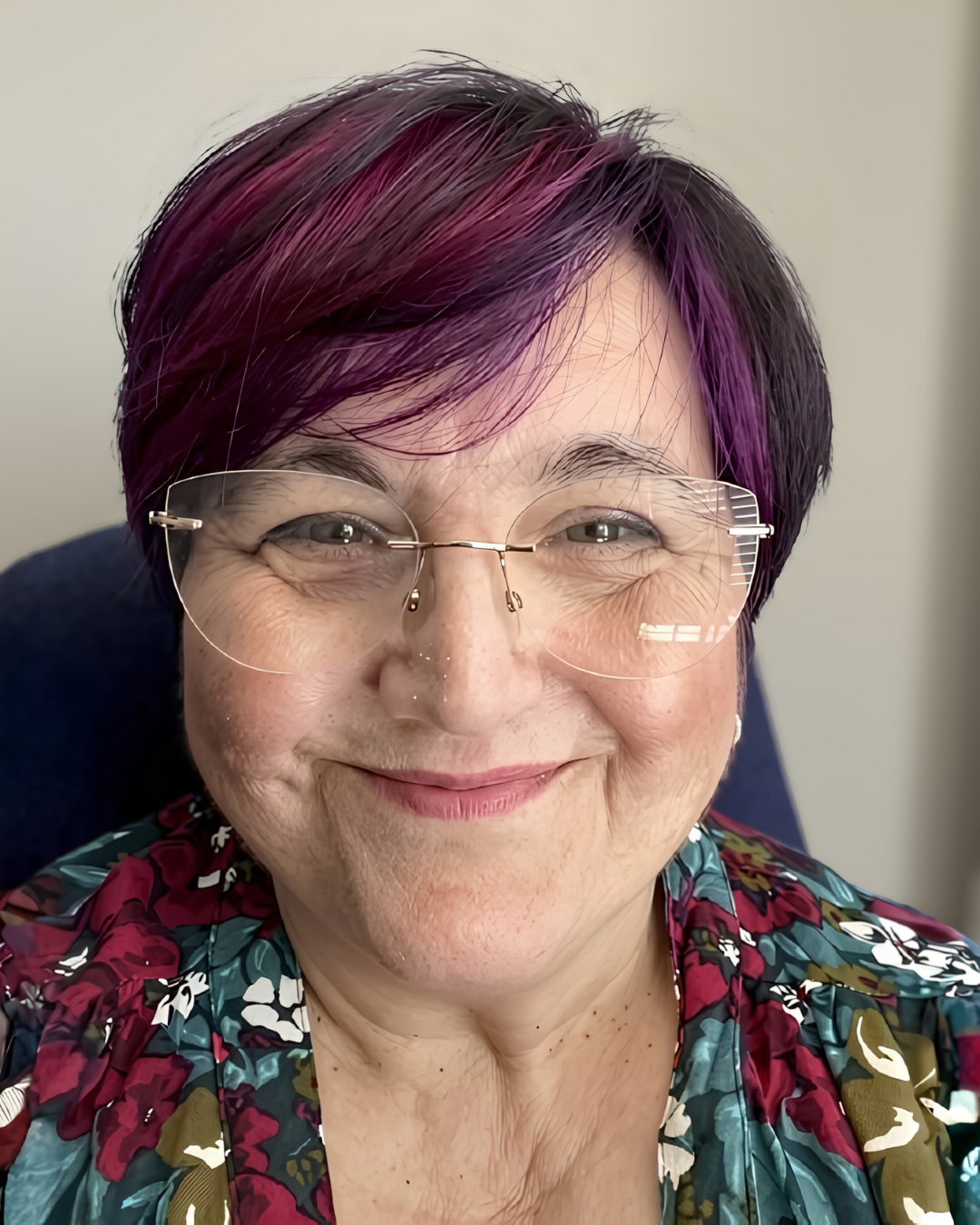
Hi, I’m Jen. It’s lovely to have you here.
You may have spent years feeling different, misunderstood or like you’re always the one expected to adapt. Perhaps you’re discovering your neurodivergence later in life, navigating disability or chronic illness, or simply looking for therapy where you don’t have to keep explaining yourself.
If we work together, this may be one of the first spaces where the adjustment doesn’t always have to come from you. We can shape therapy around how you communicate, process and what you need.
You know your experience better than anyone else does. Therapy should start there.
How I Can Support You
I work predominantly with autistic, ADHD and AuDHD adults, including people who have been diagnosed later in life, are awaiting assessment or have recognised their neurodivergence themselves.
I also work with people navigating disability, chronic illness, identity, relationships and experiences of difference or marginalisation. Often these things overlap, and you don’t need to separate yourself into neat categories for us to work together.
-
Being autistic, ADHD or AuDHD can shape far more than attention or sensory differences. It can affect how you communicate, process emotions, experience relationships, manage everyday demands and understand yourself.
You may have spent years being misunderstood or receiving messages that the way you naturally do things is somehow wrong. Or you may understand your neurodivergence well but still find yourself living and working in environments that don’t accommodate what you need.
I offer autism and ADHD support for adults from a neurodivergent-affirming perspective. I’m interested in how you experience being autistic, ADHD or AuDHD rather than assuming that a diagnosis tells me who you are.
You don’t need a formal diagnosis to work with me. I welcome people who are diagnosed, awaiting assessment or have recognised their neurodivergence themselves.
-
Discovering you’re neurodivergent later in life can bring relief and validation, but it can also bring grief, anger and a lot of looking backwards.
Experiences you once understood as personal failures may suddenly look very different. At the same time, years of masking and adapting yourself around different people can leave you wondering who you are underneath all of that.
I work with late-diagnosed and late-recognised autistic, ADHD and AuDHD adults as they make sense of what this new understanding means for them.
Therapy can give us space to revisit your experiences through a different lens, explore masking and identity, and begin asking some surprisingly fundamental questions: What do I actually like? What matters to me? What do I need? What feels like me?
-
I don’t expect you to perform being a “good therapy client.”
You don’t need to sit still, make eye contact, communicate in a particular way or process something immediately because you’ve been asked a question.
In online therapy with me, you can move, stim, have your camera on or off, take time to process and talk with me about what helps you communicate. If tangents are part of how you think, we can even agree whether you’d like me to follow them or help bring us back.
I’ll also be transparent about my own communication rather than leaving you wondering whether a facial expression, pause or response means you’ve done something wrong.
For me, accessible counselling is collaborative. I can make therapy flexible, but I won’t decide what accessibility means for you. We work that out together.
If previous therapy left you feeling as though you spent more time explaining your neurodivergence than actually having therapy, this can be somewhere we do things differently.
-
Living with disability or chronic illness can affect far more than your health. It can shape your identity, relationships, work, independence and what you imagined your life might look like.
You may be adjusting to changes in what you can do, grieving things that have changed, navigating medical systems, or feeling exhausted by having to repeatedly explain and advocate for what you need.
As a disabled therapist myself, I’m conscious that sometimes the difficulty isn’t something within you. It can come from trying to live in environments and systems that weren’t designed with your needs in mind.
My approach is disability-affirming, but that doesn’t mean pretending disability or chronic illness can’t also be painful, frustrating or limiting. Therapy can make room for all of that, without telling you how you should feel about your own experience.
-
None of us exists as one identity at a time.
Neurodivergence can intersect with disability, sexuality, gender, culture, race, age and other experiences of difference or marginalisation, and those experiences can shape how you understand yourself and how the world responds to you.
I work affirmatively with LGBTQ+/GSRD clients, disabled people and people from Global Majority backgrounds, including people whose identities and experiences intersect in different ways.
I won’t assume that understanding one part of your experience means I understand all of it. If something falls outside my knowledge, I see it as my responsibility to recognise that and learn, rather than expecting you to become my teacher.
Therapy can also make room to name ableism, racism, transphobia, homophobia and other forms of discrimination when they are part of your experience, rather than treating the world around you as irrelevant to how you feel.
-
You don’t need to be coming to therapy specifically because you’re neurodivergent, disabled or living with chronic illness.
I also work with adults experiencing anxiety, low mood, low self-esteem, grief and bereavement, relationship difficulties, childhood experiences, work stress, sleep difficulties and periods of change or uncertainty.
Sometimes there is a clear reason you’re looking for therapy. Sometimes several things have built up over time, or something simply doesn’t feel right anymore.
Either way, we can start with what is happening for you now and work from there.
About Me
I believe good therapy starts with being genuinely interested in the person in front of you. Not just what has brought you to therapy, but who you are, what has shaped you and how you experience the world.
My own experiences, alongside my training and years of working with neurodivergent and disabled people, have shaped the therapist I am today. They’ve made me particularly interested in difference, identity, accessibility and the importance of not making assumptions about another person’s experience.
-
I’m a relational, person-centred therapist, which means the relationship we build together is at the heart of how I work.
I’m conversational, curious and fairly direct. I’ll ask questions, notice things and sometimes gently challenge you or come back to something you’ve said because it’s made me curious. I also use humour when it feels right.
I’m not a blank screen, and I don’t expect you to be one either. If I haven’t understood something, I’ll tell you. If something about the way we’re working isn’t helpful, I want us to be able to talk about it.
My work is also shaped by compassion, radical acceptance and anti-discriminatory practice, drawing on approaches including inner-child work and DBT where they’re useful. I don’t expect you to fit a particular therapeutic model.
Most importantly, I’ll keep checking that what I think I’m hearing actually matches your experience, rather than assuming I already know.
-
My understanding of neurodivergence and disability comes from professional experience, but also from my own life.
I’m AuDHD and disabled, and came to understand my own neurodivergence later in life. Those experiences have shaped how I think about identity, accessibility and what it can mean to spend years navigating environments that weren’t designed with you in mind.
Having lived experience can sometimes give me a point of connection with a client, but shared experience doesn’t mean shared experience of the world. I won’t assume that because something is true for me, it must also be true for you.
That matters to me as a therapist. I can bring my training, experience and understanding to our work, while recognising that you remain the expert on what it means to be you.
-
Core Qualification
BA (Hons) Counselling, First Class – University of East Anglia, 2021
Additional Training & CPD
I regularlyundertake ongoing professional development in areas including:
Neurodivergence and neurodivergent-affirming practice
Disability and accessibility
Trauma
Bereavement and loss
Person-centred and relational practice
Compassion and radical acceptance
DBT-informed approaches
Inner-child work
Anti-discriminatory and difference-affirming practice
Professional Membership
National Counselling and Psychotherapy Society (NCPS) — Accredited Member · NCS20-01607
-
I offer online individual therapy for adults, with sessions available weekly or fortnightly.
Individual therapy: £80 per 60-minute session
Availability: Mondays at 10.00am, 11.15am, 1.00pm and 2.15pm
Accepting new clients: Yes
We can work together to find a frequency that feels manageable and useful for you. Weekly or fortnightly sessions are both welcome, depending on what suits your needs, processing, finances and circumstances.
I also take regular planned breaks throughout the year to support my own wellbeing and maintain a sustainable practice. These are arranged in advance, so we can plan around them together.

Clinical Supervision for Counsellors & Therapists
I also offer online clinical supervision for qualified and trainee counsellors and therapists, with particular interest in neurodivergent practitioners and therapists working with neurodivergent clients.
-
Supervision with me isn't simply about working through a list of clients. Of course we'll think carefully about your client work and therapeutic relationships, but I'm also interested in you as the practitioner and what you're bringing into the room.
We can explore parallel process, your emotional responses to clients, relational dynamics, difference and power, boundaries, ethical questions, wellbeing and capacity, as well as how your own experiences might interact with those of your clients.
As a neurodivergent therapist myself, I understand that you don't stop being neurodivergent when you become the therapist. Supervision can make room for communication, processing, executive functioning, sensory needs, disability, health and workload, alongside exploring the benefits and complexities that can arise when you and a client share aspects of neurodivergence.
My supervision is informed by the Seven-Eyed Model of Supervision and the Integrative Developmental Model, while remaining relational, collaborative and responsive to you.
-
I offer online clinical supervision to qualified and trainee counsellors and therapists.
If you're looking for a clinical supervisor and would like to explore whether we might work well together, get in touch to find out more about my current availability, fees and how supervision with me works.
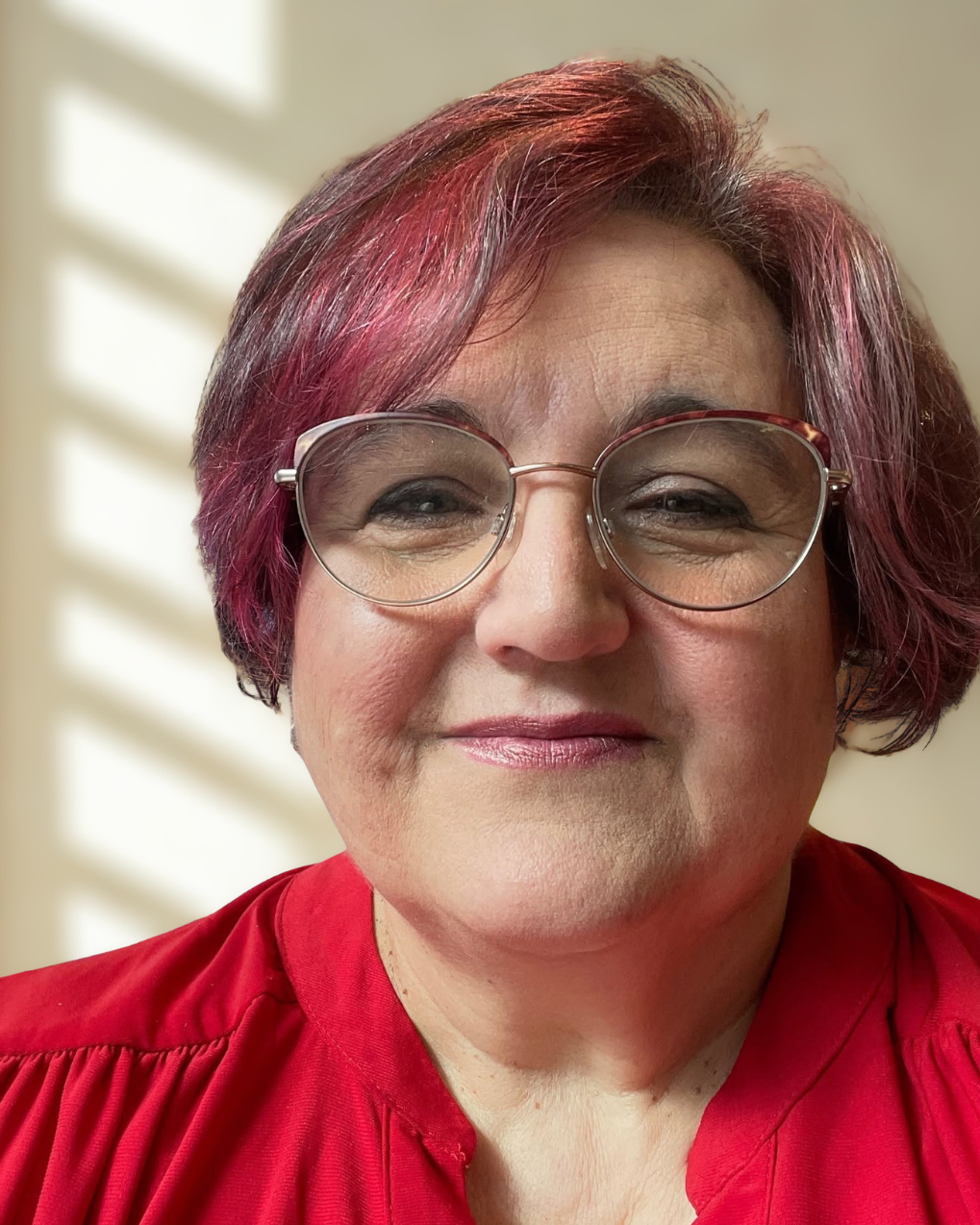
Think Jen Might Be the Right Therapist for You?
Frequently Asked Questions About Working With Jennifer Snow
-
Common Ground offers neurodivergent-affirming autism support and online therapy for adults, including people who were diagnosed in childhood, diagnosed later in life, are awaiting assessment or identify as autistic without a formal diagnosis.
Jennifer Snow is one of Common Ground’s therapists and works predominantly with autistic, ADHD and AuDHD adults. Therapy with Jen can explore identity, masking, relationships, communication, accessibility, disability and the impact of living in environments that may not always understand or accommodate you.
-
Yes. Common Ground offers online ADHD and AuDHD counselling for adults within a neurodivergent-affirming approach.
Jennifer works extensively with ADHD and AuDHD adults and is AuDHD herself. Therapy might involve exploring identity, masking, relationships, work, emotional experiences and what it means to understand yourself through both an autistic and ADHD lens.
Shared neurodivergence can sometimes provide a useful point of understanding, but Jen won’t assume that her experience of being AuDHD is the same as yours.
If you’re exploring what it means to be both autistic and ADHD, you can also read our guide to AuDHD
-
Yes. Common Ground offers neurodivergent-affirming therapy for adults discovering or making sense of autism, ADHD and AuDHD later in life.
Late diagnosis and recognition are particular areas of Jen’s work. Therapy can make room for the relief, grief, anger and re-evaluation of the past that can sometimes follow, alongside exploring masking, identity and the question of who you are after years of adapting to other people and environments.
-
At Common Ground, accessible counselling means adapting therapy around the individual, rather than expecting every client to communicate, process or participate in the same way.
With Jen, this can include moving or stimming during sessions, not making eye contact, taking more time to process, discussing communication preferences or choosing whether to have your camera on or off during online therapy.
Accessibility is collaborative. Jen won’t decide what you need on your behalf. You can work together to understand what makes therapy accessible for you.
-
Yes. When working online with Jen at Common Ground, you can move, stim, look away from the screen or have your camera off if that helps make therapy more comfortable or accessible.
You don’t need to sit still, maintain eye contact or communicate in a particular way to be doing therapy “properly”. You and Jen can talk openly about what helps you communicate, process and engage with the work.
-
Some people come to Jen after previous therapy hasn’t felt right, including neurodivergent clients who felt they spent much of their therapy explaining how they communicate or experience the world rather than focusing on what brought them there.
Jen won’t assume that therapy not working previously means you somehow failed at it. Sometimes the therapist, approach or environment simply wasn’t right for you.
If you work together, you can talk about what has and hasn’t helped before and find a way of working that better fits you.
-
Yes. Common Ground offers disability-affirming therapy, and Jen works particularly with people navigating disability and chronic illness alongside neurodivergence.
Therapy can explore how disability or chronic illness affects identity, relationships, work, independence, grief and everyday life, as well as the impact of navigating environments and systems that may not accommodate your needs.
Jen is disabled herself and brings lived as well as professional understanding to this work, while recognising that every person’s experience of disability is different.
-
Yes. Common Ground offers LGBTQ+ and GSRD-affirming therapy, and Jen works with LGBTQ+/GSRD clients within an intersectional and anti-discriminatory approach.
Jen recognises that neurodivergence can intersect with sexuality, gender, disability, culture, race and other aspects of identity. She won’t assume that understanding one part of your experience means understanding all of it.
Experiences such as ableism, racism, transphobia and homophobia can also be named and explored in therapy when they are relevant to your experience.
-
Yes. Online clinical supervision is available through Common Ground with Jennifer Snow for qualified and trainee counsellors and therapists.
Jen has particular interest in supporting neurodivergent practitioners and therapists working with neurodivergent clients. Supervision can explore client work and therapeutic relationships alongside parallel process, practitioner wellbeing, relational dynamics, difference and power, boundaries and the therapist’s own experience within the work.
-
Yes. Jen offers neurodivergent-affirming clinical supervision through Common Ground.
As a neurodivergent therapist herself, Jen understands that therapists don’t stop being neurodivergent when they enter the therapy or supervision room. Supervision can make space for communication and processing, executive functioning, sensory needs, disability and health, workload and parallel process.
It can also provide somewhere to think about the benefits and complexities that can arise when therapist and client share aspects of neurodivergence. Jen’s supervision is informed by the Seven-Eyed Model of Supervision and the Integrative Developmental Model.