
AuDHD Therapy for Identity, Relationship Patterns & Self-Understanding
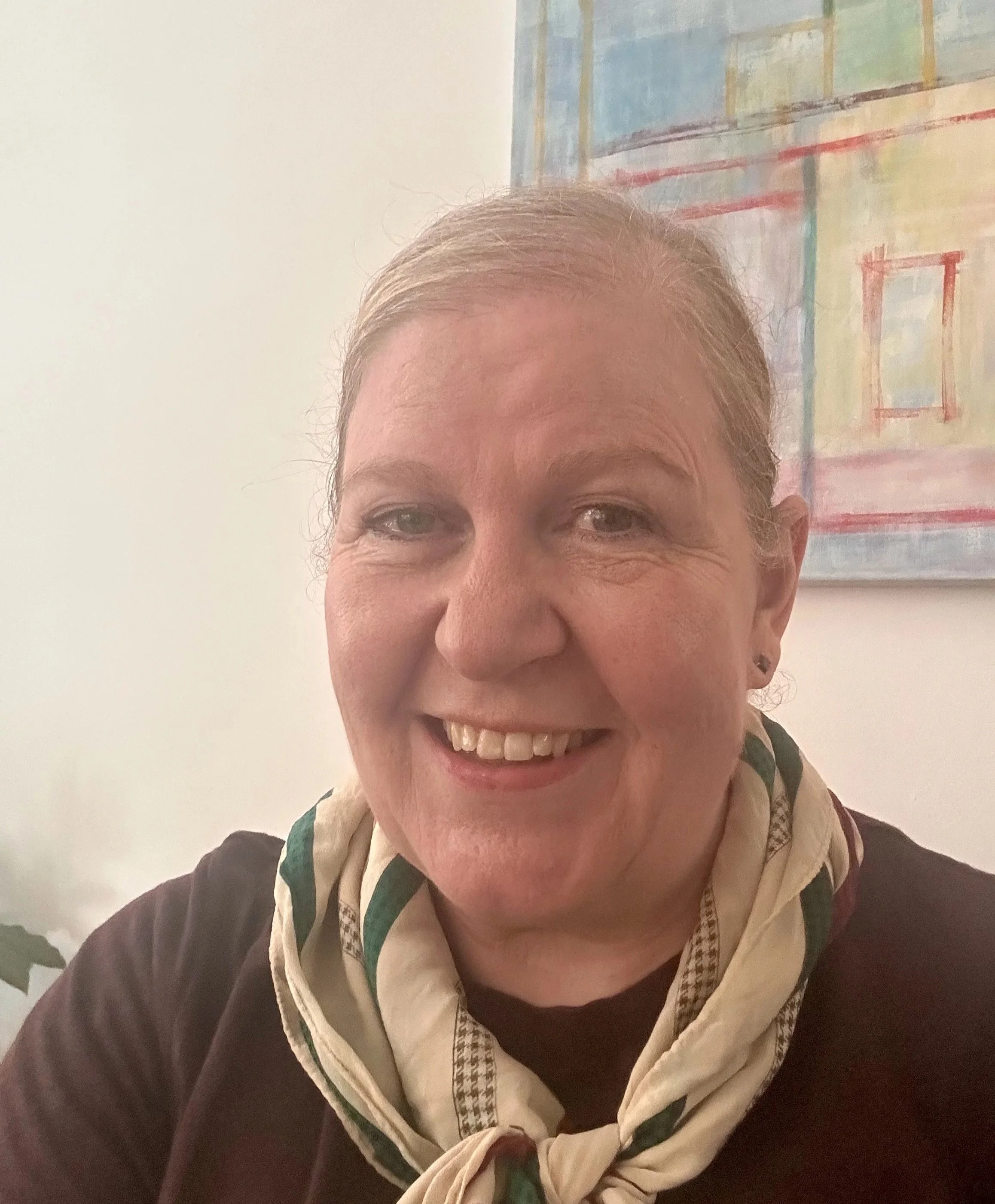
Hi, I’m Gina. It’s lovely to meet you.
Maybe discovering that you’re neurodivergent has helped parts of your life make more sense, but understanding why doesn’t always make old patterns disappear.
You might still find yourself adapting around others, struggling to know what you need, or getting caught in familiar relationship patterns.
I work with neurodivergent adults who want to understand themselves more deeply, shaped by both their neurodivergence and the wider experiences that have made them who they are.
Sometimes you already understand why you do something. Therapy can help you discover what happens when you experience it differently.
How I Can Support You
I offer online individual therapy through Common Ground for autistic, ADHD, AuDHD and other neurodivergent adults. I work particularly with people exploring identity, recurring relationship patterns, boundaries, self-criticism and the impact of spending years adapting themselves around other people.
My approach is relational and Gestalt-based, which means we can explore not only what you understand about yourself, but what is actually happening for you in the present moment and within the therapeutic relationship.
-
I work with autistic, ADHD, AuDHD and other neurodivergent adults, including people who are questioning whether neurodivergence might be relevant to their experience.
You may have spent years feeling that certain things were simply harder for you than they seemed to be for everyone else. Perhaps you became very good at adapting, copying what other people seemed to expect, or pushing your own needs aside without quite realising you were doing it.
Neurodivergent-affirming therapy is not about teaching you how to appear more neurotypical. It is about becoming curious about how your mind works, what you need, and what becomes possible when you are no longer starting from the assumption that you are doing life incorrectly.
-
A late autism, ADHD or AuDHD diagnosis can bring relief, recognition, grief, anger and a lot of questions.
Many of the people who find me are newly diagnosed or beginning to wonder whether they might be neurodivergent. They may be trying to understand what the diagnosis means for their relationships, family or work, while also looking back over earlier experiences through a completely different lens.
Therapy can give you space to explore what belongs to you now, which old explanations you no longer want to carry, and how you would like to understand yourself going forward.
-
You might understand a relationship pattern very well and still find yourself repeating it.
Perhaps you become responsible for other people’s feelings, find it difficult to say what you need, lose sight of your own boundaries, or notice yourself adapting depending on who you are with.
In individual therapy, we can become curious about these patterns without reducing them to a flaw in your personality. We can look at how they developed, what purpose they may once have served, and what happens when they begin appearing between us in the present.
This is one of the places where Gestalt therapy can be particularly useful, because we are not only talking about the pattern. We can notice it together as it happens.
-
If you have spent a lot of your life adapting to other people, it can become surprisingly difficult to know what you actually need.
You may automatically prioritise somebody else’s comfort, find yourself agreeing before you have had time to work out what you think, or notice that your sense of yourself changes depending on the people around you.
For neurodivergent people, this can sometimes sit alongside years of masking and trying to meet social expectations that did not come naturally.
Together, we can begin noticing these responses as they happen, making it easier to recognise what you feel, need or want before automatically adapting around somebody else.
-
Some people arrive in therapy with an internal voice that is relentlessly demanding.
You might feel that you should be coping better, achieving more, behaving differently or finding everyday things easier than you do. Even after discovering that you are neurodivergent, those older messages do not necessarily disappear.
In Gestalt therapy, I am interested in how that self-criticism developed and what it might have been trying to protect you from. We can explore the difference between the standards you have learned to impose on yourself and what you actually need now.
-
Burnout can develop after a long period of pushing through, adapting and trying to meet expectations that require far more effort than the people around you may realise.
You may have become very capable at appearing fine while internally feeling exhausted, overwhelmed or increasingly disconnected from yourself.
For me, burnout work is often about more than recovering enough to keep going. We can explore what has been costing you so much energy, including the ways you may have learned to adapt, override your needs or organise yourself around other people.
-
Complex or relational trauma is a significant part of my work, particularly where it overlaps with late-identified neurodivergence.
I do not always see trauma and neurodivergence as two completely separate strands. For some people, years of masking, adapting to environments that were not built for them, turning needs inward or losing a clear sense of their boundaries become intertwined with earlier relational experiences. In Gestalt terms, trauma and neurodivergence can become “figure and ground” for one another.
My approach is paced and relational. I do not believe you need to disclose or retell traumatic experiences before there is enough safety to hold them. I pay attention to what is happening moment by moment and work within what feels manageable rather than pushing towards disclosure because therapy is “supposed” to look a particular way.
-
I have a particular interest in working with parents and carers, including parents of neurodivergent and disabled children.
I am a parent-carer myself and have also supported families professionally through Autism Hub London and my work with Contact. My experience includes working with parents around sensory processing, overwhelm, meltdowns, shutdowns, school difficulties and co-regulation.
Caring responsibilities do not happen in isolation. You may also be working, maintaining relationships, managing appointments and services, supporting other family members and trying to meet your own needs somewhere within all of that.
I am interested in the person behind the caring role too. Therapy can be somewhere to explore exhaustion, guilt, identity, grief, anger or simply what it is like to carry so much responsibility.
About Me
My own late AuDHD diagnosis has shaped both how I understand neurodivergence and how I think about therapy. I know what it can be like to spend years without a framework that adequately explains your own experience, and how significant it can feel when that framework finally arrives.
At the same time, I do not think neurodivergence explains everything about a person. I am interested in intersectionality and in how neurotype sits alongside class, gender, sexuality, disability, family, culture and the wider systems we live within. Being neurodivergent can be an important part of who you are without becoming the only lens through which you are understood.
-
I work relationally and phenomenologically, which means I pay attention to what is actually happening between us rather than following a fixed protocol.
Gestalt therapy is grounded in the present, but that does not mean ignoring your past. We might explore how earlier experiences are showing up now in your body, relationships, emotions, expectations or the way you respond to me.
You may already be very good at explaining yourself intellectually. Sometimes the interesting part of therapy begins when we slow down enough to notice what happens underneath that explanation.
I might draw your attention to a feeling, a physical sensation, something you have just said, or a change I notice in the way you are relating to me. Rather than deciding in advance what it means, we can become curious about it together.
When trauma is part of the work, pacing matters to me. I stay close to what feels manageable and pay attention to relational safety rather than expecting you to recount difficult experiences before you feel ready.
Humour is welcome too. Therapy can be meaningful and serious without needing to feel clinical or formal all of the time.
-
Before becoming a therapist, I spent around 25 years working in television production. That gave me a strong understanding of high-pressure environments, demanding workloads, complex logistics and what it can be like to keep functioning when a lot is expected of you.
Alongside my private psychotherapy practice, I work as a Family Worker at Contact, supporting families of children with complex needs. I previously managed the NHS England-commissioned Autism Hub London peer support programme, where my work included supporting neurodivergent people and their families.
I have also facilitated parent groups and workshops around sensory processing, overwhelm, meltdowns, shutdowns, school difficulties and co-regulation.
Those experiences, alongside my own lived experience of AuDHD and being a parent-carer, all influence the way I understand clients, while never assuming that another person’s experience will be the same as mine.
-
Core Qualification
Postgraduate Diploma in Counselling - The Gestalt Centre, London
Professional Membership
British Association for Counselling and Psychotherapy
Registered Member (MBACP)
-
Fees
Individual therapy: £80 for 60 minutes
A free 20-minute introductory call is available if you would like to get a sense of whether working together feels right before booking.
Availability
I currently have a small number of recurring weekly and fortnightly online appointments available through Common Ground.
Mondays
4.50pm–5.50pm
6.00pm–7.00pm
Thursdays
8.00pm–9.00pm
9.00pm–10.00pm
generally prefer to begin weekly where possible, but I’m also happy to offer fortnightly therapy where that works better for someone’s circumstances or finances.
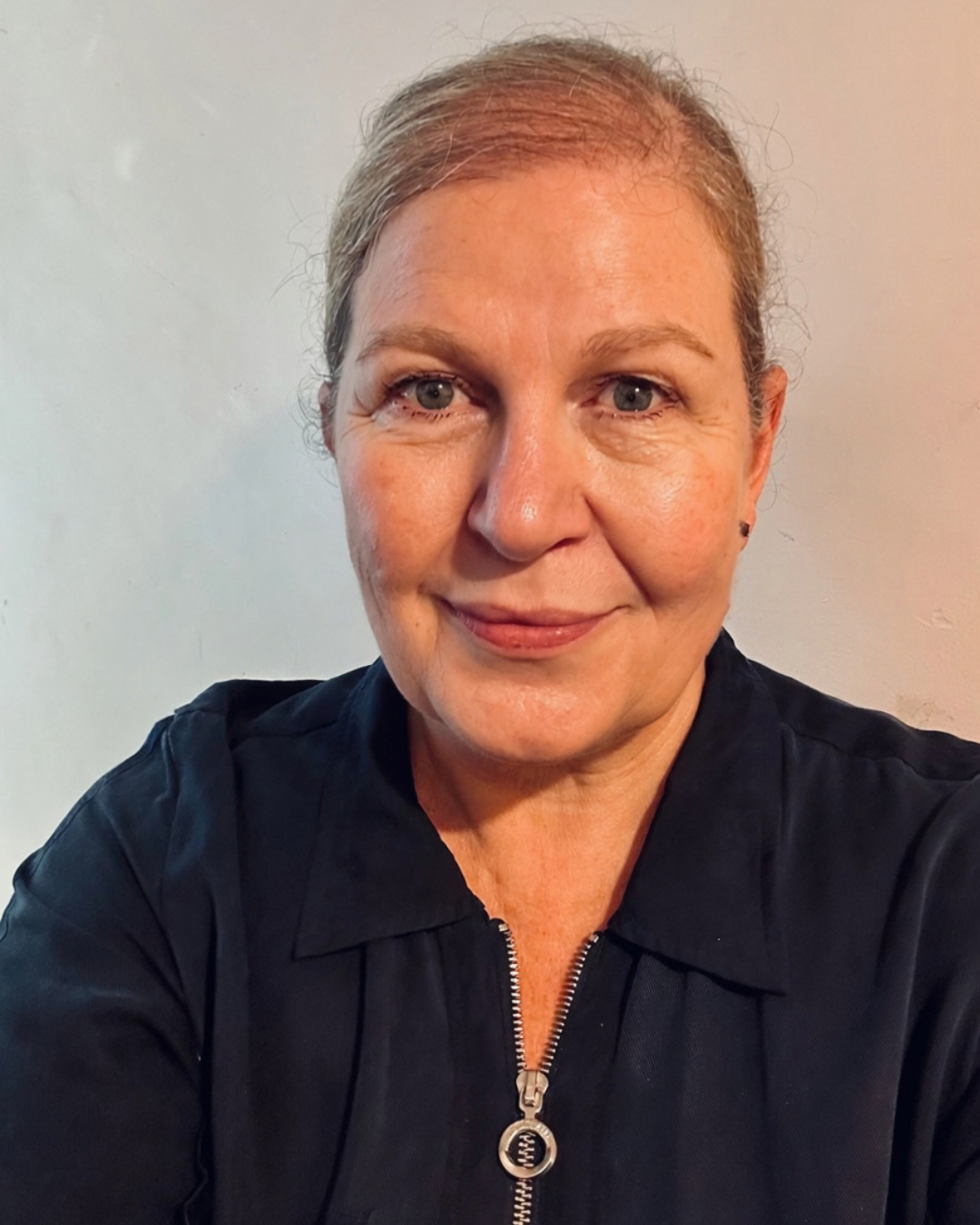
Think Gina Might Be the Right Therapist for You?
Frequently Asked Questions About Working With Gina Mahoney
-
Gina Mahoney works with AuDHD, ADHD, autistic and other neurodivergent adults through Common Ground.
Her work particularly focuses on identity, self-understanding, recurring relationship patterns, boundaries and self-criticism, including the experience of discovering or understanding neurodivergence later in life. Gina is late-diagnosed AuDHD herself and works from a neurodivergent-affirming perspective.
-
You do not need a formal ADHD or autism diagnosis to work with Gina.
Gina works with people who are curious about whether they might be autistic or ADHD, as well as people who have recently received a diagnosis and are beginning to understand what it means for them.
Therapy is not an autism or ADHD diagnostic assessment, but it can give you space to explore the experiences that have led you to question neurodivergence and what those experiences mean to you.
-
A late ADHD, autism or AuDHD diagnosis can change the way you understand your past as well as how you see yourself now.
You may find yourself revisiting childhood experiences, relationships, work, masking, self-criticism or things you previously interpreted as personal failures. Therapy can give you space to explore those experiences without assuming that diagnosis should automatically explain every part of who you are.
-
Individual therapy with Gina can help you explore recurring relationship patterns, including the ways you adapt around other people, respond to conflict, express your needs or experience boundaries.
Gestalt therapy pays particular attention to how these patterns appear in the present, including within the therapeutic relationship, so you can do more than simply understand them intellectually.
-
Gestalt therapy is a relational and present-focused form of psychotherapy that explores what you are experiencing now while recognising how your past continues to influence you.
Rather than following a fixed protocol, Gina pays attention to thoughts, feelings, bodily experiences and what happens within the therapeutic relationship. This can help you notice patterns as they are happening rather than only talking about them afterwards.
-
Neurodivergent-affirming therapy does not treat autism, ADHD or AuDHD as something that needs to be corrected.
With Gina, therapy focuses on understanding your experiences, needs, identity and relationships without automatically measuring you against neurotypical expectations.
It also recognises that neurodivergence is only one part of a person's identity and may intersect with class, gender, sexuality, disability, family and other experiences.
-
Online therapy with Gina is relational, collaborative and Gestalt-based.
Sessions involve talking together, but Gina may also invite you to slow down and notice what is happening emotionally, physically or relationally in the moment. The work is guided by what emerges between you rather than by a predetermined programme.
-
Gina works with parent-carers and people holding significant caring responsibilities, particularly where neurodivergence or disability is part of family life.
She is a parent-carer herself and has extensive professional experience supporting families through Contact and the Autism Hub London, including work around sensory processing, overwhelm, meltdowns, shutdowns and co-regulation.
-
Online individual therapy with Gina through Common Ground costs £80 for a 60-minute session.
Gina offers weekly and fortnightly online appointments, subject to current availability.