
ADHD & AuDHD Therapy for Burnout, Masking & Late Diagnosis
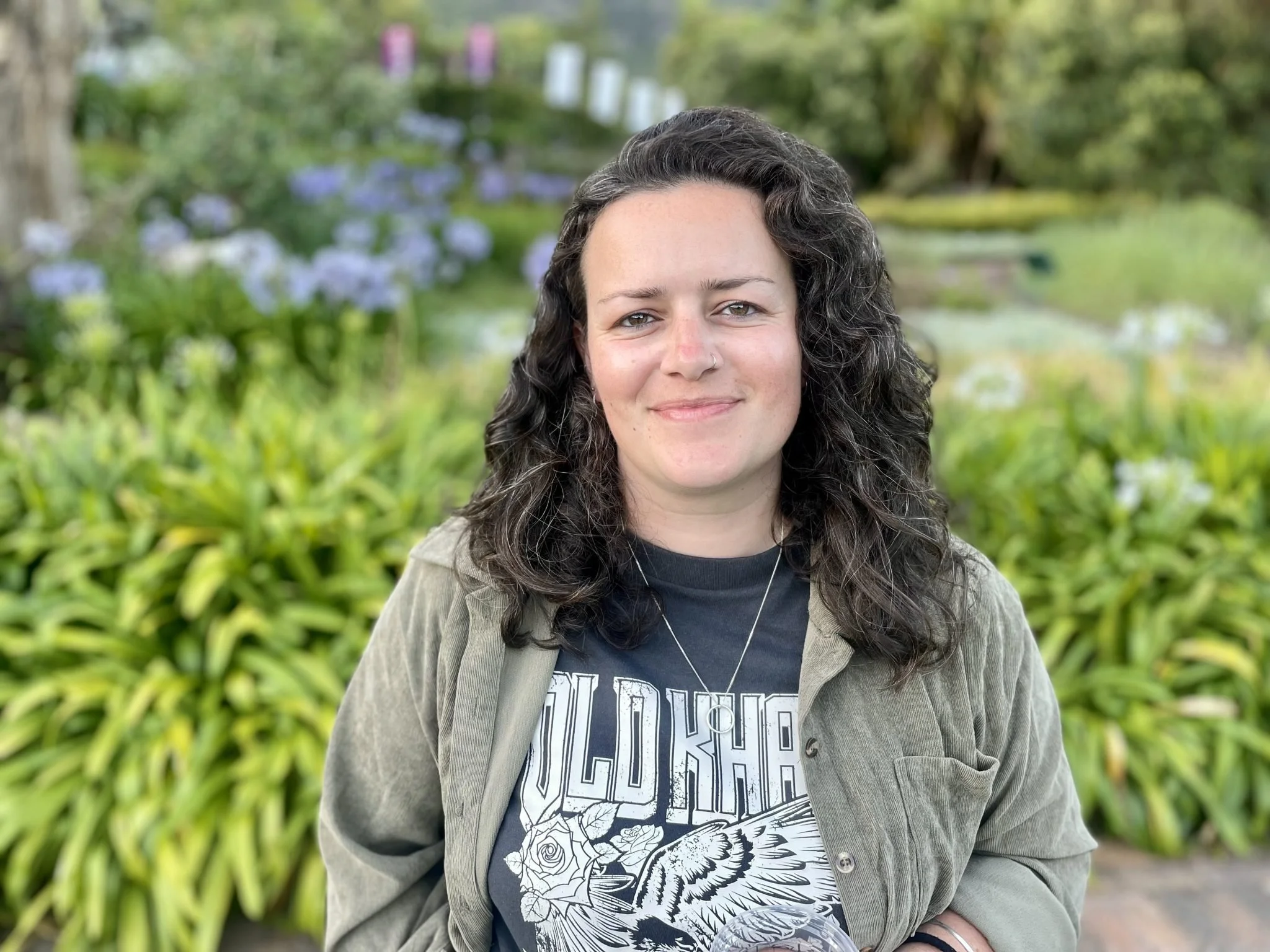
Hi, I’m Fi. If you’re here, there might be a few things you’re trying to make sense of.
Maybe you’ve spent years masking, pushing through and appearing like you’re coping, while underneath you’re exhausted or wondering why everything takes so much effort.
Therapy doesn’t need to be another place where you have to perform. With me, we can slow things down, understand what’s happening underneath, and work out what actually feels right for you.
You deserve space to be understood without having to make yourself easier to understand.
How I Can Support You
I work with adults across a wide range of experiences, with particular interest in ADHD, AuDHD, burnout, masking, late diagnosis and LGBTQ+ and queer experiences.
I also support people with anxiety, low mood, trauma, relationships, grief, self-esteem, chronic illness, menopause, addiction and recovery, emotional regulation and periods of change.
Below, I’ve shared more about some of the areas I work with most often. You don’t need to recognise yourself in every description or know which one fits you best. They’re simply a starting point for understanding what we might explore together.
-
ADHD can affect much more than concentration or organisation. You might struggle with overwhelm, emotional intensity, procrastination, rejection, relationships or self-esteem — or the frustration of knowing exactly what you need to do but still not being able to make yourself do it.
You may have spent years hearing that you’re lazy, disorganised, too sensitive or simply not trying hard enough. Over time, those messages can become part of how you see yourself.
In therapy, we can start separating those messages from what’s actually true about you. We can explore how your brain works, what gets in your way and what genuinely helps — rather than finding another set of rules you’re supposed to force yourself to follow.
-
You might feel exhausted, overwhelmed or mentally foggy. Tasks that once felt manageable can suddenly feel out of reach, and you may find yourself withdrawing, losing motivation or struggling to recognise yourself.
For many people with ADHD, burnout builds gradually after years of masking, compensating, overworking and pushing past their limits.
I don’t see that as failure. I see it as a sign that your mind and nervous system have been carrying too much for too long. Together, we can look at what has been draining your energy, which needs have gone unmet and what needs to change for life to feel more sustainable.
Recovery isn’t about getting you back to the version of yourself that burned out. It’s about finding a way of living that costs you less.
-
You might have become very good at appearing capable.
Perhaps you rehearse conversations, hide how overwhelmed you feel, force yourself to be sociable, compensate for forgetfulness, people-please or spend a lot of energy making sure nobody realises how difficult things feel underneath.
Masking can help us navigate environments that don’t understand us, but maintaining it can become exhausting.
Therapy can give us space to notice where the performance ends and you begin. What do you actually like? What do you need? Which expectations belong to you, and which ones have you learned to meet for everyone else?
Unmasking doesn’t mean suddenly abandoning every coping strategy. We can approach it gradually, helping you understand yourself and choose where you no longer want to keep shrinking.
-
Finding out you have ADHD later in life can change how you understand yourself. There can be relief in finally having an explanation for things that never quite made sense.
But there can also be grief, anger and a lot of looking backwards. Why didn’t anyone notice? What might have been different if I’d known? How much of what I thought was my personality was actually masking?
You may start looking differently at school, work, relationships, family dynamics and experiences you previously blamed yourself for. I know some of this territory personally because I was late diagnosed with ADHD myself.
Therapy gives you somewhere to process what your diagnosis means without immediately turning it into another self-improvement project. We can explore what you’re learning about yourself and what a life that fits you more comfortably might look like.
-
Being both autistic and ADHD can sometimes feel contradictory. You might crave routine but struggle to maintain it, need novelty but find change overwhelming, or want connection while also needing significant time alone.
What helps one part of you can sometimes seem completely at odds with what another part needs, and advice designed for ADHD might not account for your autistic needs — and vice versa.
I work in a neurodivergent-affirming way, so the aim isn’t to make you appear more neurotypical. We can explore your particular combination of needs, sensory experiences, energy, communication, masking and overwhelm.
There isn’t one correct way to be AuDHD. The aim is to understand how it works for you.
-
You shouldn’t have to spend half your therapy session explaining or defending your identity before you can talk about what actually brought you there.
We might talk about sexuality, gender, coming out, identity, belonging, relationships, bi erasure or the impact of moving through spaces where you haven’t always felt understood. I’m also comfortable working with alternative relationship styles.
For some people, queerness and neurodivergence overlap in important ways, particularly around masking, identity, social expectations and the experience of feeling different.
We can make space for all of that without assuming your identity is either the problem or irrelevant to what you’re going through.
-
You don’t need to fit neatly into one of my specialist areas. I also work with people experiencing:
Anxiety
Depression and low mood
Trauma
Stress and burnout
Self-esteem and confidence
Relationship difficulties
Grief and loss
Addiction and recovery
Life transitions
Identity and self-discovery
Emotional regulation
Chronic illness
Menopause
Work-related difficulties
Sometimes you’ll know exactly what has brought you to therapy. Other times, you might simply know that something isn’t working anymore, you’re struggling more than usual, or you want something in your life to change.
You don’t need to work out which category you belong in before you contact me. We can start with what’s happening for you and go from there.
About Me
Finding the right therapist is about more than qualifications or specialisms — you also need to get a sense of the person you’ll be talking to. Here you can find out a little more about me, how I work, my professional background and the practicalities of working together.
-
Before becoming a therapist, I worked across community mental health, substance-use recovery, supported housing, hospital discharge services and higher education.
Those experiences shaped how I understand people — in the context of their lives, relationships and environments, rather than as a collection of symptoms.
I was also a client before I was a therapist, and my own late ADHD diagnosis changed how I understood myself and deepened my interest in neurodivergent-affirming therapy.
Outside the therapy room, I love motorbikes, I crochet, and my animals are a big part of my life.
-
Therapy with me is conversational, collaborative and human. I’ll ask questions, reflect things back, help you notice patterns and gently challenge you when it feels useful. I use humour too — therapy doesn’t always have to feel serious just because we’re talking about serious things.
I’ll adapt our sessions to what works for you. You don’t need to make eye contact, sit still, know what to talk about or communicate in a particular way. If you need more structure, processing time or clarity, we can build that in.
I’m an integrative therapist, drawing particularly on person-centred and relational therapy alongside trauma-informed, compassion-focused and CBT-informed approaches. My work is neurodivergent-affirming and LGBTQ+ affirmative.
-
Core Qualification
MSc Counselling & Psychotherapy Professional Training (University of Salford)Additional Training & CPD
My additional training includes:
Neurodiversity-affirming therapy
LGBTQIA+ practice and awareness
Trauma-informed practice
Supporting survivors of childhood sexual abuse
Motivational interviewing
Dual diagnosis
Drug and alcohol awareness
Adverse childhood experiences
Domestic abuse
Understanding self-injury
Suicide awareness and prevention
Complex emotional and relational needs
Professional Membership
Registered Member of the British Association for Counselling and Psychotherapy (MBACP)
-
I offer online individual therapy for adults, with sessions available weekly or fortnightly.
Individual therapy: £70 per 60-minute session before 5pm
Evening sessions: £80 per 60-minute session from 5pm onwards
Current availability: Mondays throughout the day, selected Tuesday mornings, Wednesday afternoons and limited evening appointments.
Accepting new clients: Yes
Where possible, I like to begin with weekly sessions because it gives us time to build our therapeutic relationship and get into the work together.
However, weekly therapy isn’t right or realistic for everyone. Financially, practically, or simply because of the way you process things, fortnightly sessions may work better. For some neurodivergent clients, having more time between sessions to process and reflect can be useful too.
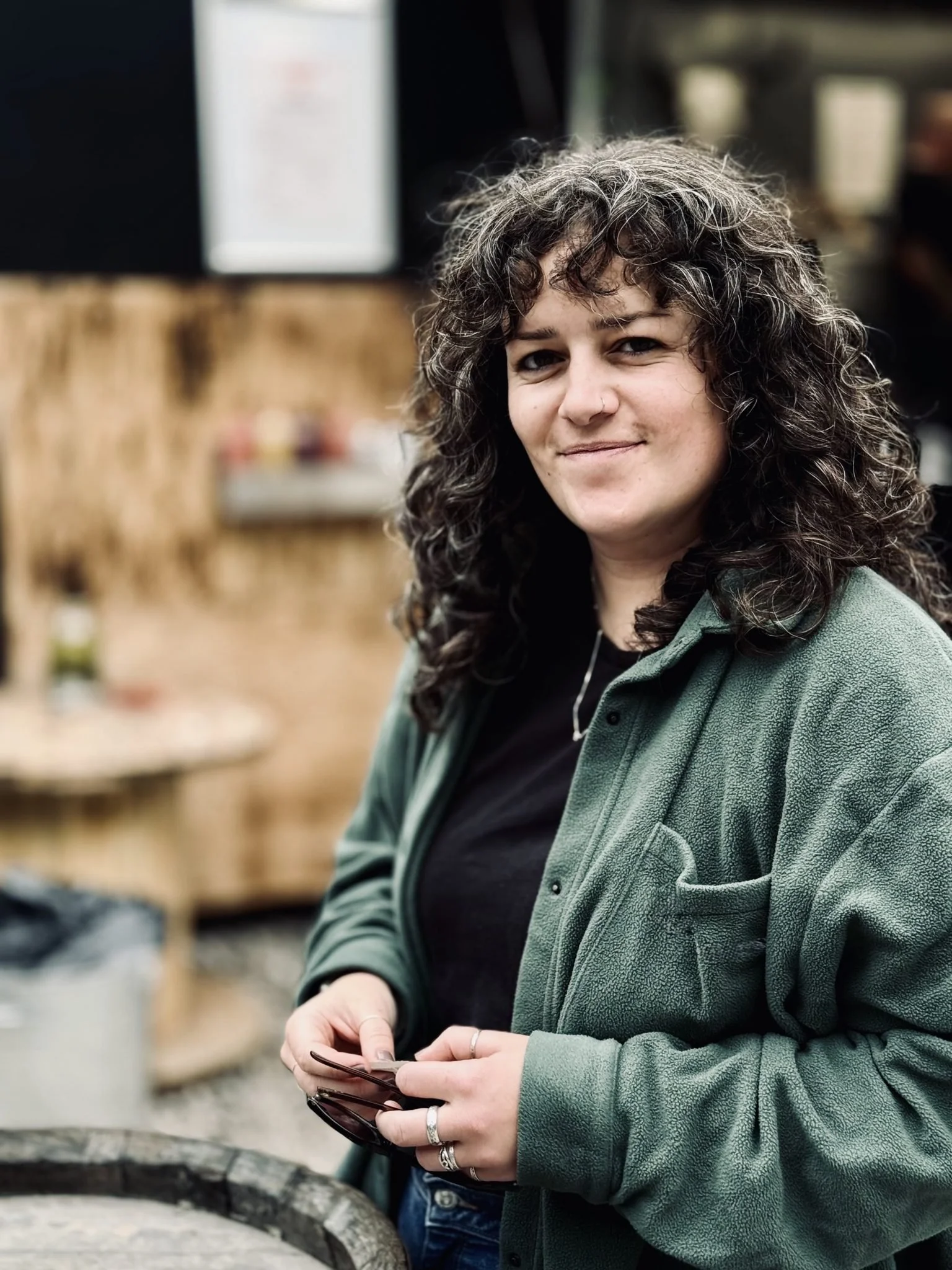
Think Fi Might Be the Right Therapist for You?
Frequently Asked Questions About Working With Fi
-
ADHD and AuDHD burnout can develop after long periods of overwhelm, masking, pushing past your limits or trying to meet expectations that don’t work for you.
You might feel exhausted, find everyday tasks much harder than they used to be, need more time to recover, or realise that the ways you’ve always coped are no longer working. Fi works with ADHD and AuDHD adults to understand what has contributed to burnout and explore what a more sustainable way of living might look like.
-
Yes. Masking can involve hiding, suppressing or compensating for aspects of yourself in order to fit expectations at work, in relationships or socially.
When you’ve spent years monitoring yourself or trying to appear as though you’re coping, it can become difficult to know what you actually need — or even who you are without the mask. Fi works with masking alongside burnout, identity, self-understanding and late diagnosis.
-
AuDHD is an informal term commonly used by people who are both autistic and ADHD. The combination can bring experiences that aren't always fully understood when autism and ADHD are considered separately.
Therapy can offer space to understand how being AuDHD affects your energy, relationships, identity, emotional experiences and the way you move through the world. Fi works particularly with AuDHD adults around masking, burnout, late diagnosis and understanding their needs.
-
Discovering you’re ADHD or AuDHD later in life can bring relief and recognition, while also raising new questions about your past and who you are now.
You might find yourself reconsidering experiences you once saw as personal failings, grieving what might have been different, or wondering who you are underneath years of adapting and masking. Therapy with Fi can give you space to explore that process without deciding what your diagnosis should mean for you.
-
Yes. You don’t need to wait for an ADHD or autism assessment before starting therapy, and you don’t need a formal diagnosis to work with Fi.
Waiting for assessment can bring uncertainty, self-doubt and lots of questions about what you're beginning to recognise in yourself. Therapy can give you somewhere to explore those experiences while you wait.
If you’re currently considering an assessment or sitting on a waiting list, you can read our guide to ADHD and autism assessment through NHS Right to Choose.
-
No. Fi works with diagnosed, late-diagnosed and self-recognised neurodivergent adults. You might already know you’re ADHD, autistic or AuDHD, be waiting for assessment, or simply be beginning to recognise yourself in neurodivergent experiences.
Therapy doesn’t require you to prove your neurodivergence before exploring what you're experiencing.
-
Yes. Fi works with LGBTQ+ and queer clients, including people exploring sexuality, gender, identity and the ways these experiences can intersect with neurodivergence.
You don’t have to separate these parts of yourself in therapy. Fi’s approach leaves space for you to explore what your identities and experiences mean to you, without assumptions about who you are or how you should live.
-
Neurodivergent-affirming therapy starts from the understanding that ADHD, autism and other forms of neurodivergence aren't problems to be corrected.
For Fi, that means adapting therapy around different ways of communicating, processing and experiencing the world, while exploring what genuinely works for you. The aim isn't to help you become better at masking or appearing neurotypical, but to understand yourself and your needs more fully.
-
Person-centred therapy puts your experience at the centre of the therapeutic relationship. Rather than the therapist deciding what is wrong or prescribing how you should change, you and your therapist explore what matters to you together.
Fi’s style is conversational, collaborative and person-centred, with room for therapy to develop around you rather than following a rigid formula.
-
Yes. Fi offers online individual therapy for ADHD, AuDHD and neurodivergent adults, with particular experience around masking, burnout, late diagnosis, identity and LGBTQ+/queer experiences.
You can arrange a free introductory call with Fi before deciding whether you would like to work together.